Taking the Low Road: The Waist Level Viewfinder
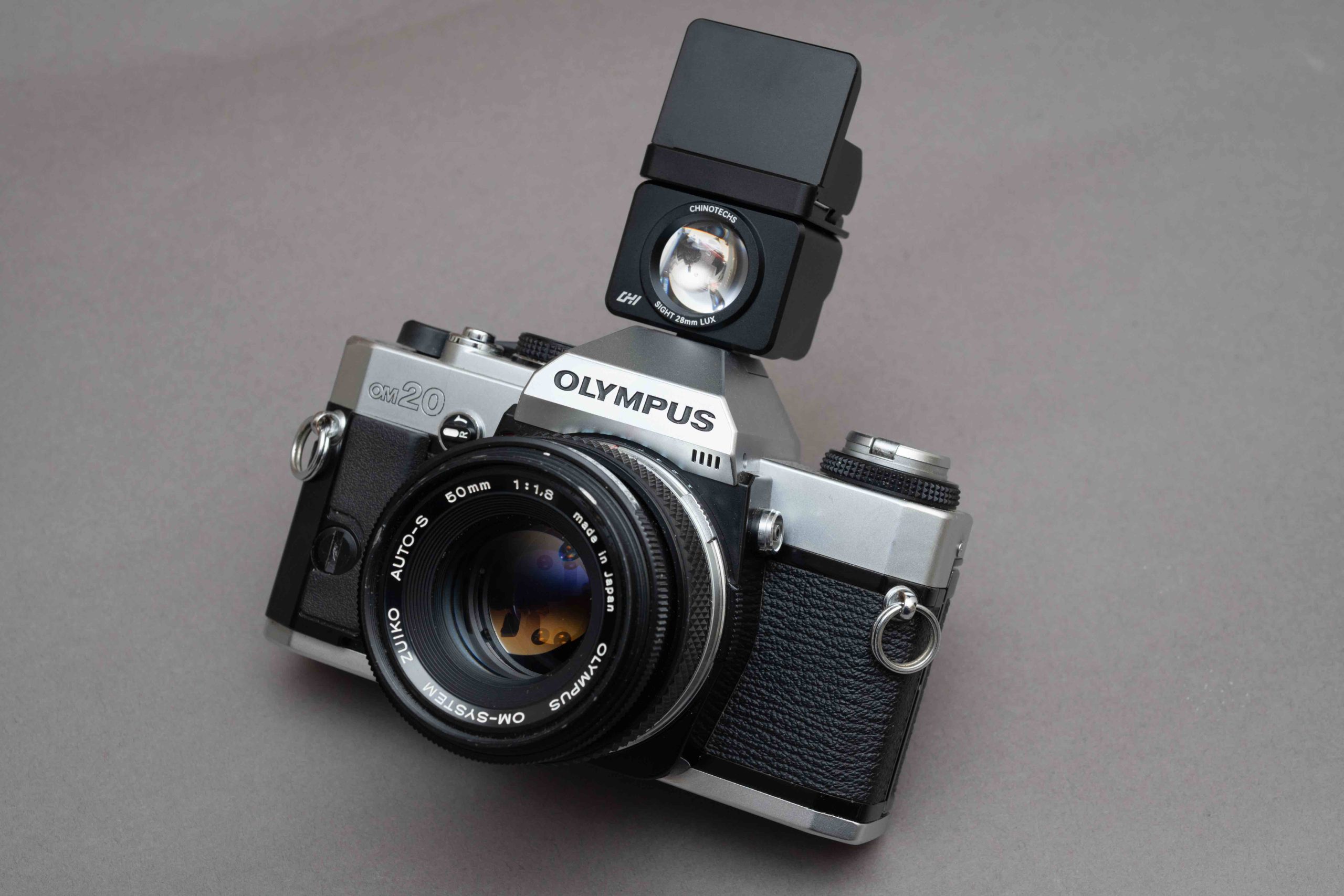
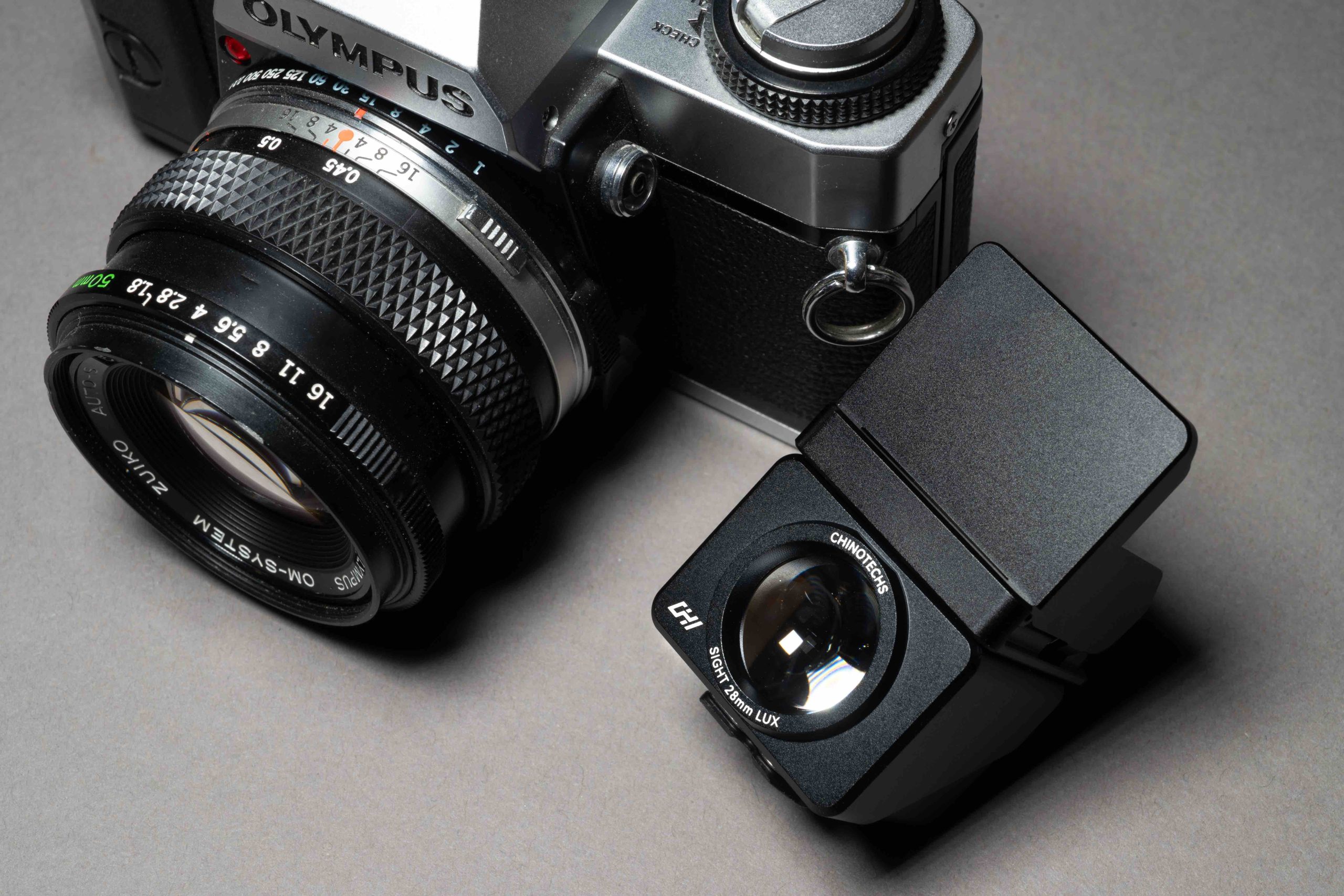
While we were all thoroughly impressed by the ingenuity of ChinoTechs’ Laser Light Meter debut last year (Those that have got one), the brand clearly hasn’t been resting on its laurels. Fresh off the assembly line is this remarkably neat Waist Level Viewfinder—a device that encourages one to abandon the common eye-level crouch and, quite literally, take a shot from the hip. Naturally, the team at Chi generously provided a unit for our field-testing and review.
If your photographic style involves getting right down to the asphalt for those dramatic low-angle perspectives, you’ll know the score. It usually involves getting into a position where you’re simultaneously scraping your elbows and fielding concerned enquiries from passersby who genuinely believe you’ve just lost your keys (or maybe your mind). This little gadget is the elegant solution to that awkward crouch. It lets you capture those tough shots with absolute ease—as long as your focusing eye is still up to the job, that is.

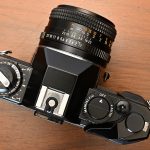
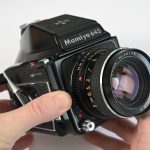
I’m lucky enough to have a few cameras that offer the waist-level option straight out of the box. However, the true beauty of this gadget is its sheer portability. It’s a genuinely useful addition to the kit bag for those times I’m out with my regular, classic SLRs—the ones stubbornly stuck with the bog-standard eye-level view. It’s the perfect little ‘just in case’ item, ready to deploy the moment inspiration strikes for a ground-level perspective.
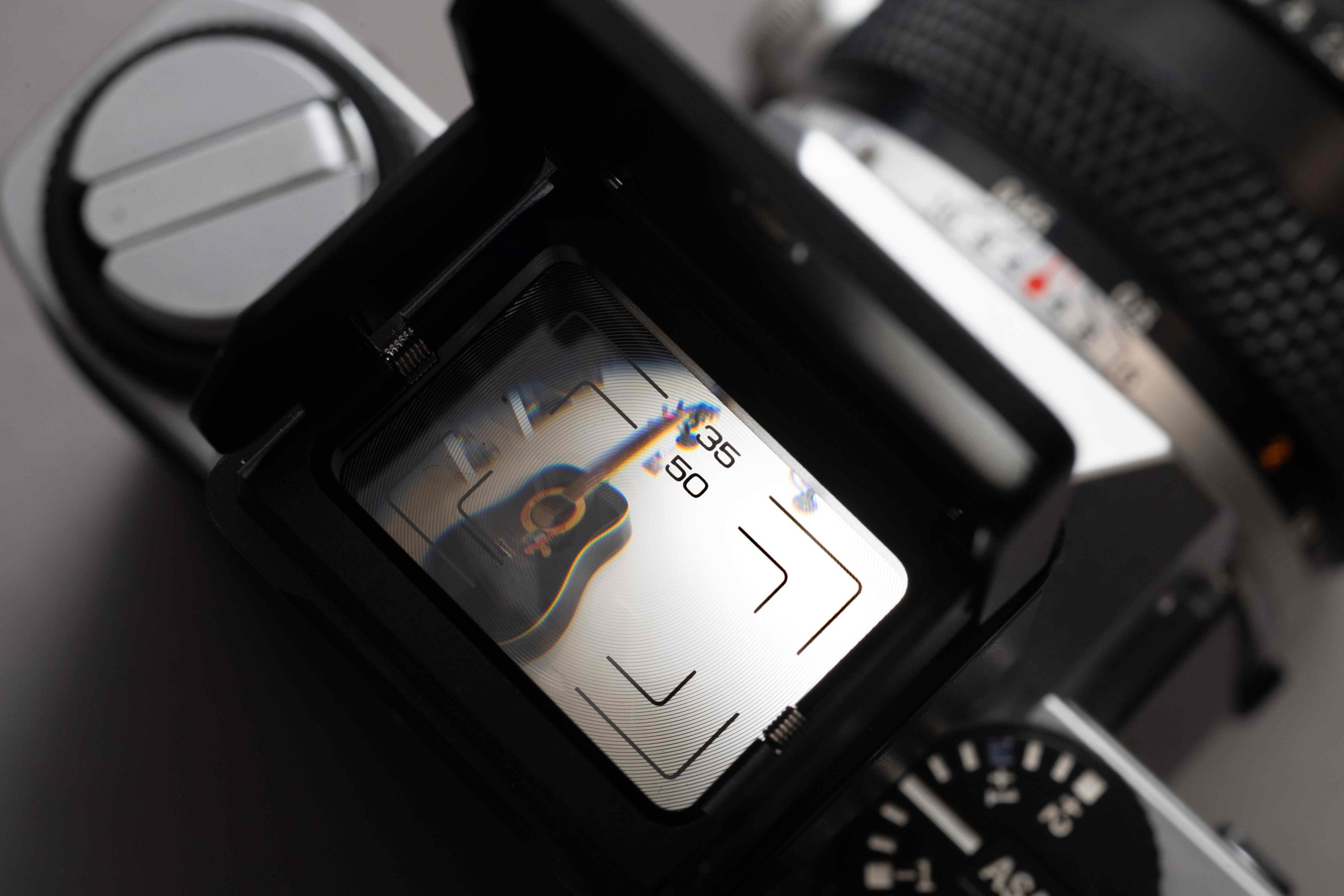
The specific model ChinoTech provided for testing is optimised for my 50mm and 35mm lenses, though it’s worth noting that they offer other configurations for the 28mm/40mm crowd.
Build Quality
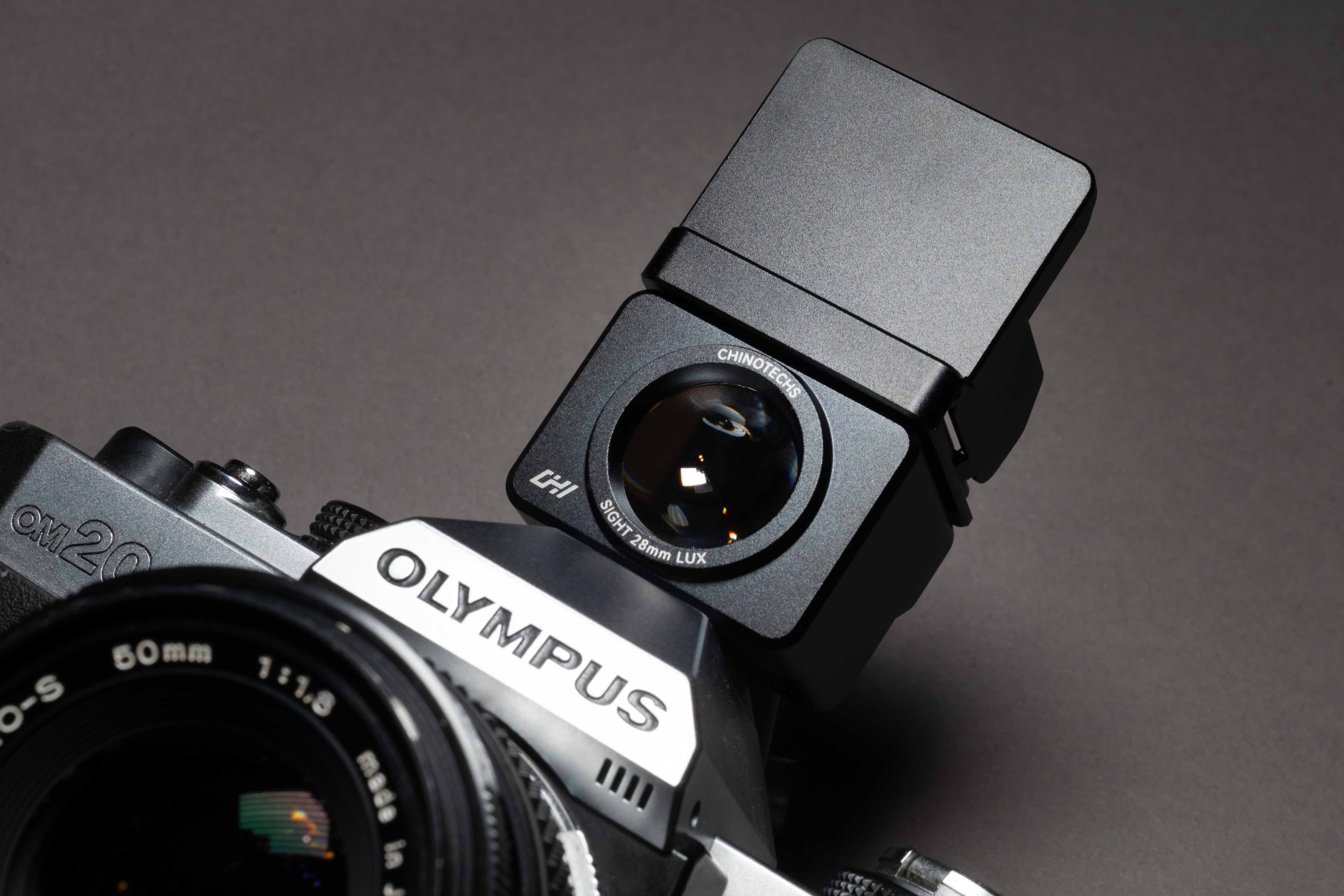
On the hands-on front, the build quality is properly solid thanks to the all-metal casing. ChinoTech informs us that the internals feature “optical elements and 0.17mm Fresnel lenses.” Honestly? I’m not a lab coat kind of person, and I’ve got no idea what half of that means. The main takeaway is that it works brilliantly. However, a quick note to the pixel-peepers: don’t expect 100% composition accuracy. It’s a tool for seeing and framing, not for forensic precision.
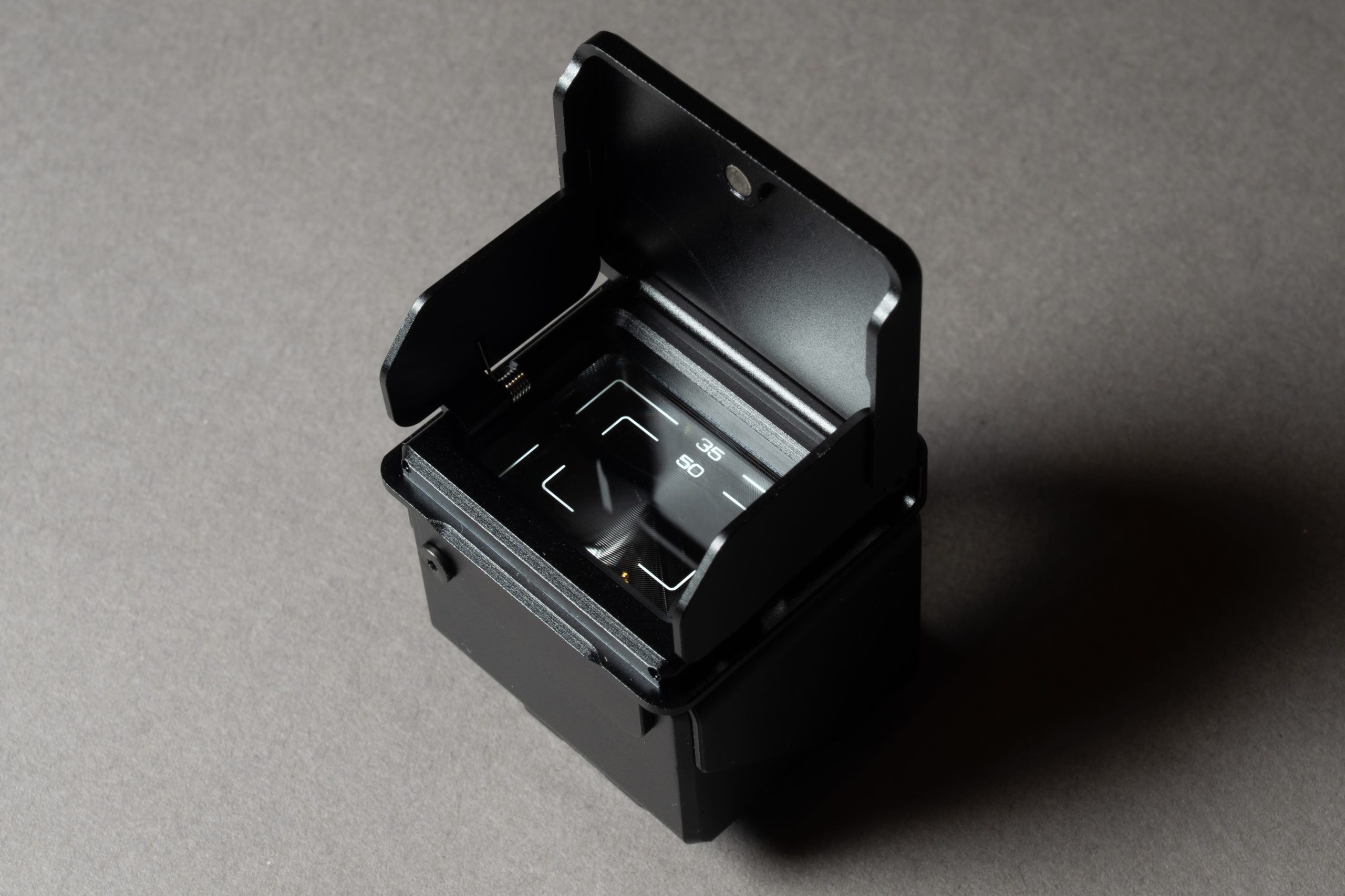
The unit comes equipped with a flip-up sunshade (detachable, should you prefer a more minimalist profile) and a solid mount for slotting directly into your camera’s accessory shoe—it’s fully manoeuvrable, so finding the right angle is no faff. The view itself is notably bright and clear, which is great, but let’s be straight: it is physically small. If you routinely find yourself reaching for the reading glasses to make sense of a menu, then trust me, you’ll definitely need them to nail your focus here!
Accuracy
If pin-point composition accuracy is non-negotiable for your process, then a bit of practice is essential. Being a universal WLVF sitting above the lens mount, perfect framing is always going to require a small adjustment in expectation. To properly calibrate my eye and avoid any unnecessary expense, I did the sensible thing: I mounted the viewfinder onto my digital camera and ran initial tests using the 35mm and 50mm lenses. After all, why splash out on film and development when you’re just finding your footing?
50mm Test
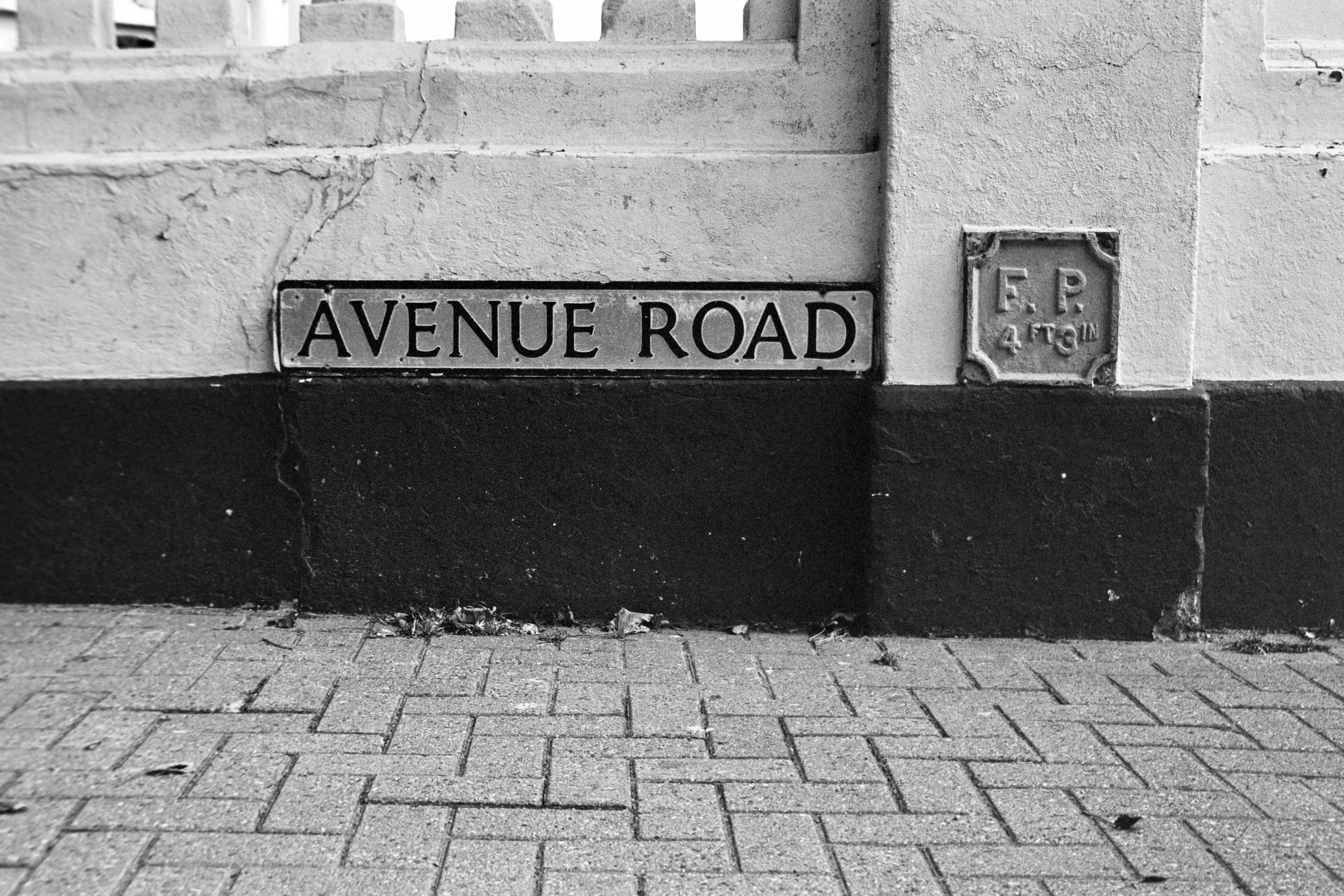
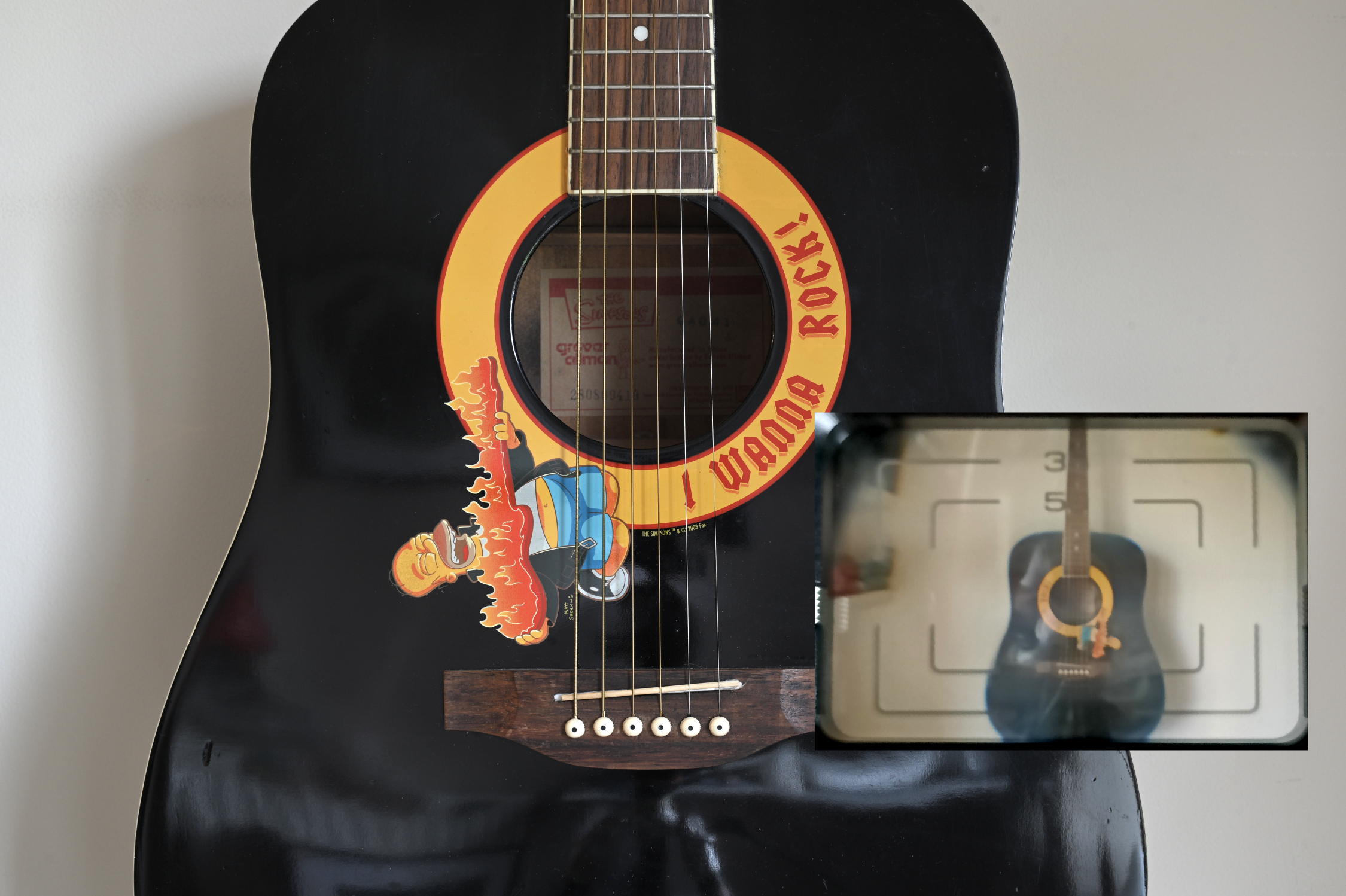
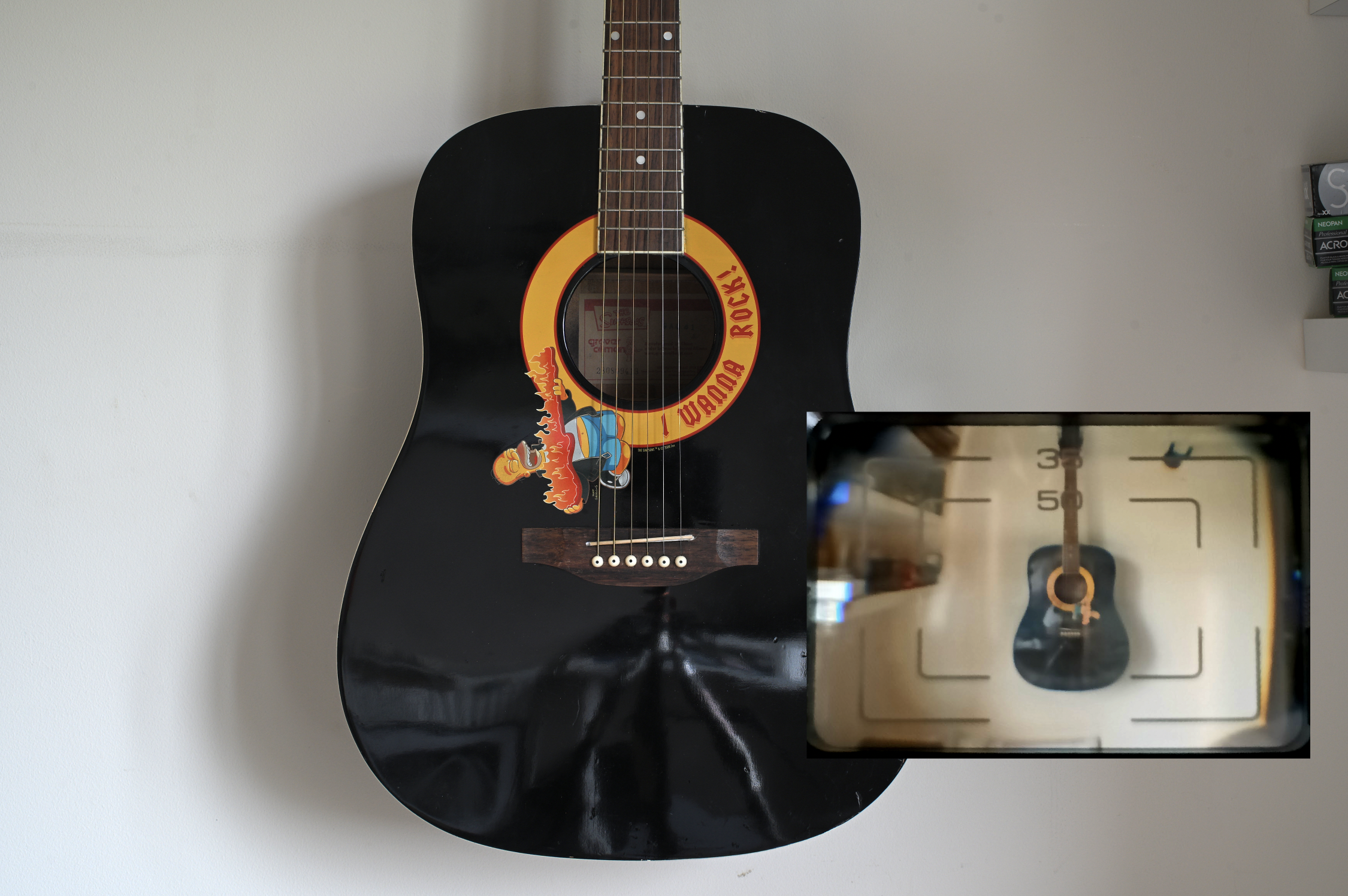
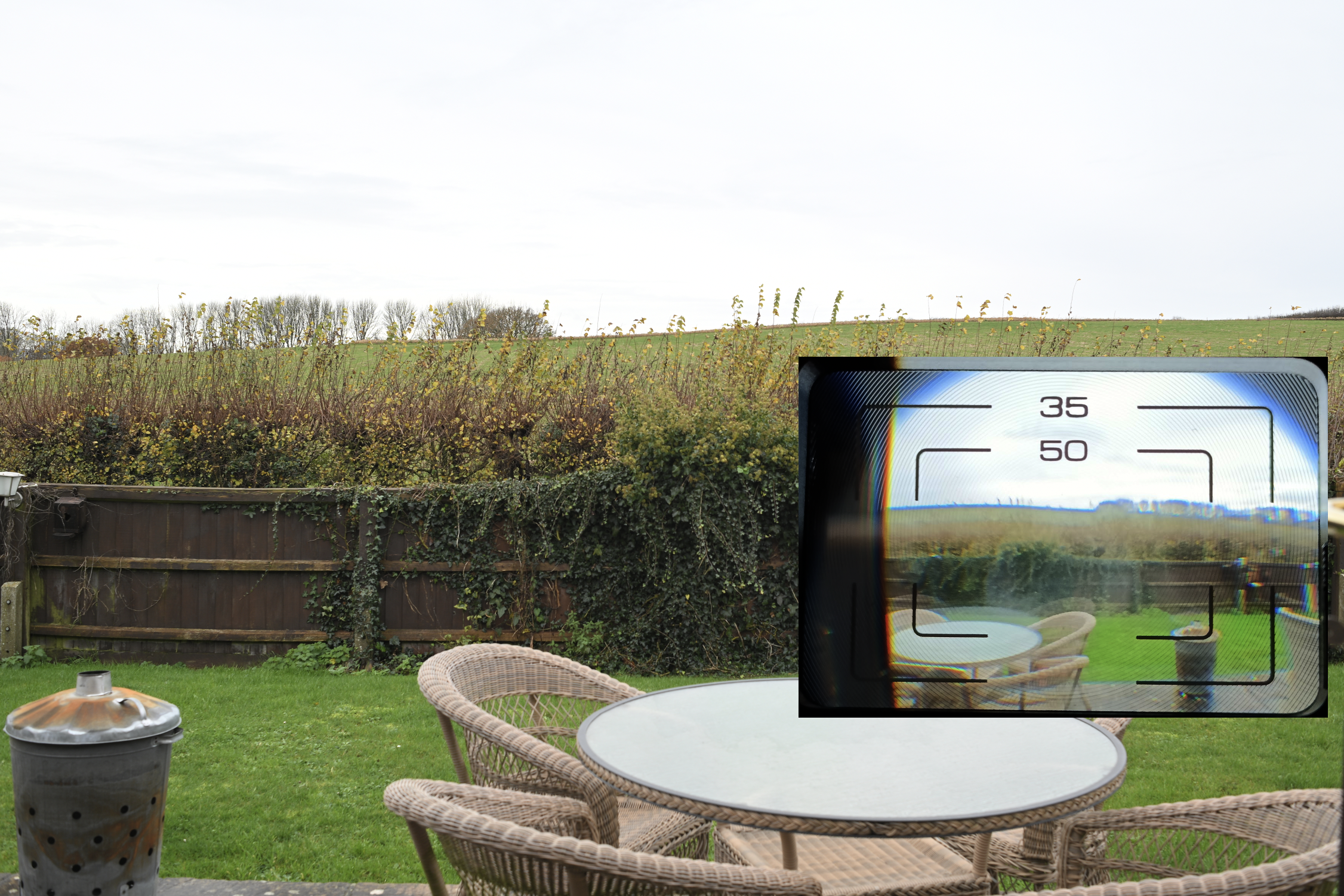
I put a 50mm lens on the camera and tried that first. A mid shot, close and a wide.
Note: The image is naturally flipped through the viewfinder
35mm Test
I put a 35mm lens on the camera.
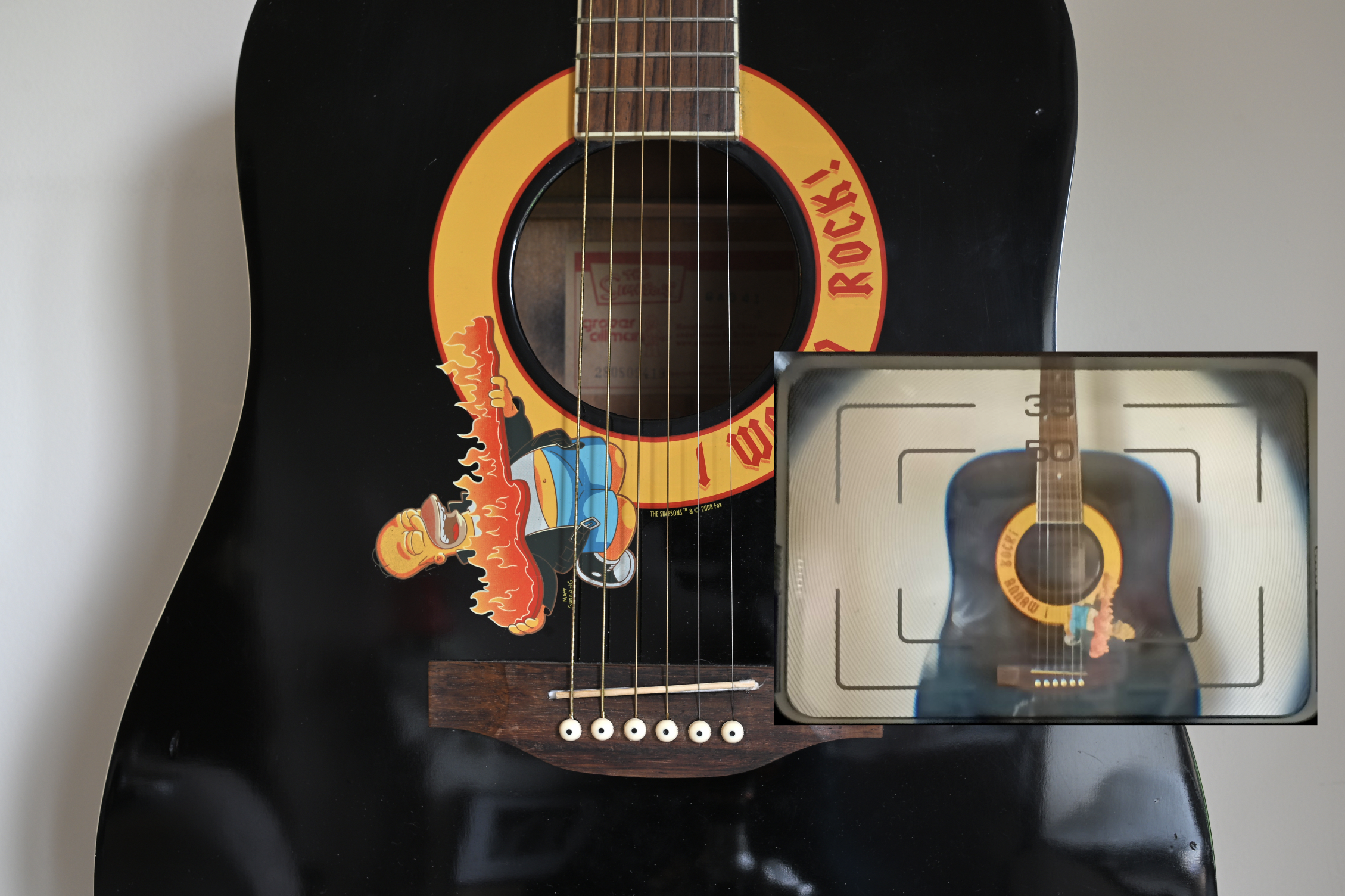
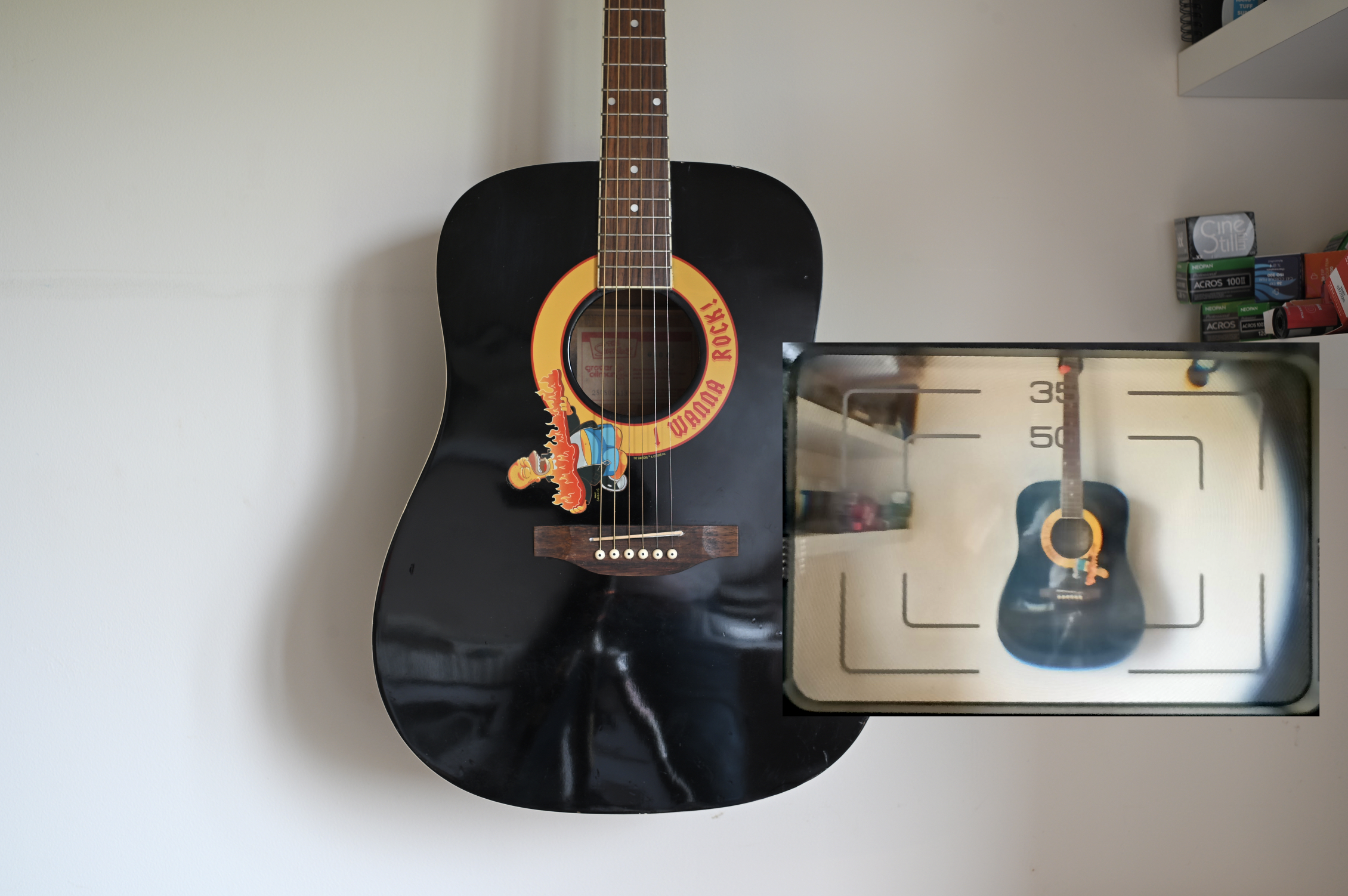
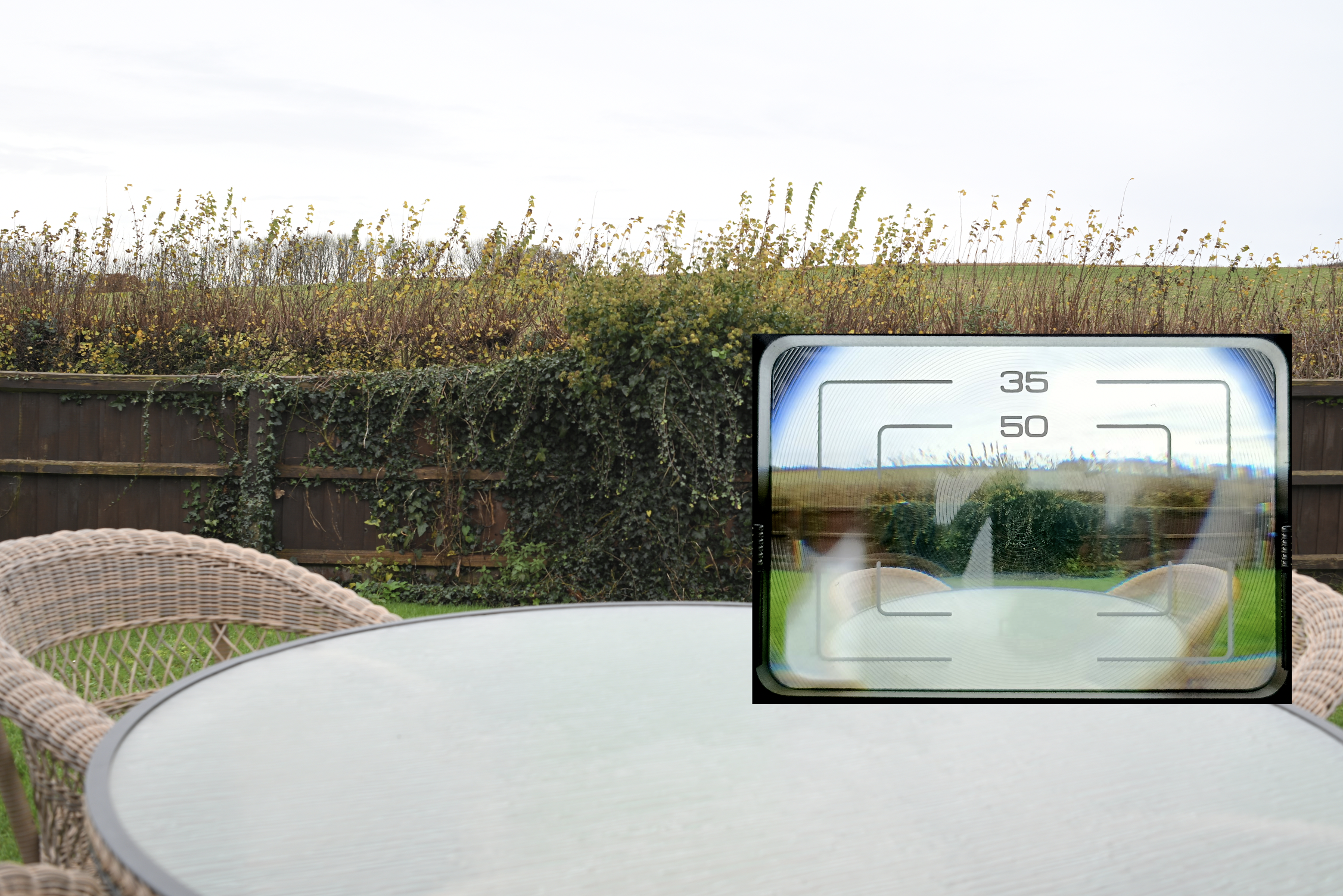
As my initial testing revealed, the WLVF isn’t bang on target straight out of the box, but it is more useful than just winging it. When I need a low-down shot, the old routine was either getting flat on my belly for accurate alignment (usually just to guarantee a straight horizon) or getting on my knees, pointing, and praying I had enough room in the frame to crop later. This device completely changes that. You might suggest a simple bubble level would do the trick, but honestly? That’s not really a comparison. With the WLVF, I can see the composition for myself, making it a far more intuitive and efficient process than relying on a tiny spirit level.
Final thought.
Personally, I see this as a genuinely useful little gadget to have permanently nestled in the kit bag if you frequently enjoy shooting from the waist and crave a bit more certainty than guesswork provides. While it doesn’t offer the promised land of 100% precision—which, being a universal accessory, was never really on the cards—it ensures your subject is firmly in the frame for street work, or that your low-down horizons are acceptably straight. Given the very solid build quality we discussed earlier, it certainly justifies its existence.
Now, it’s easy for me to recommend this, as the unit was sent for review. So, the crucial question: would I rush out to buy one tomorrow? Probably not. I’m fortunate enough to own cameras that allow me to remove the prism for waist-level shooting. However, if my regular SLRs lacked that capability, this WLVF would suddenly become an incredibly attractive and valuable addition to my setup.
If you want to see more go to ChinoTech Website https://chinotechs.com/sight-wlvf