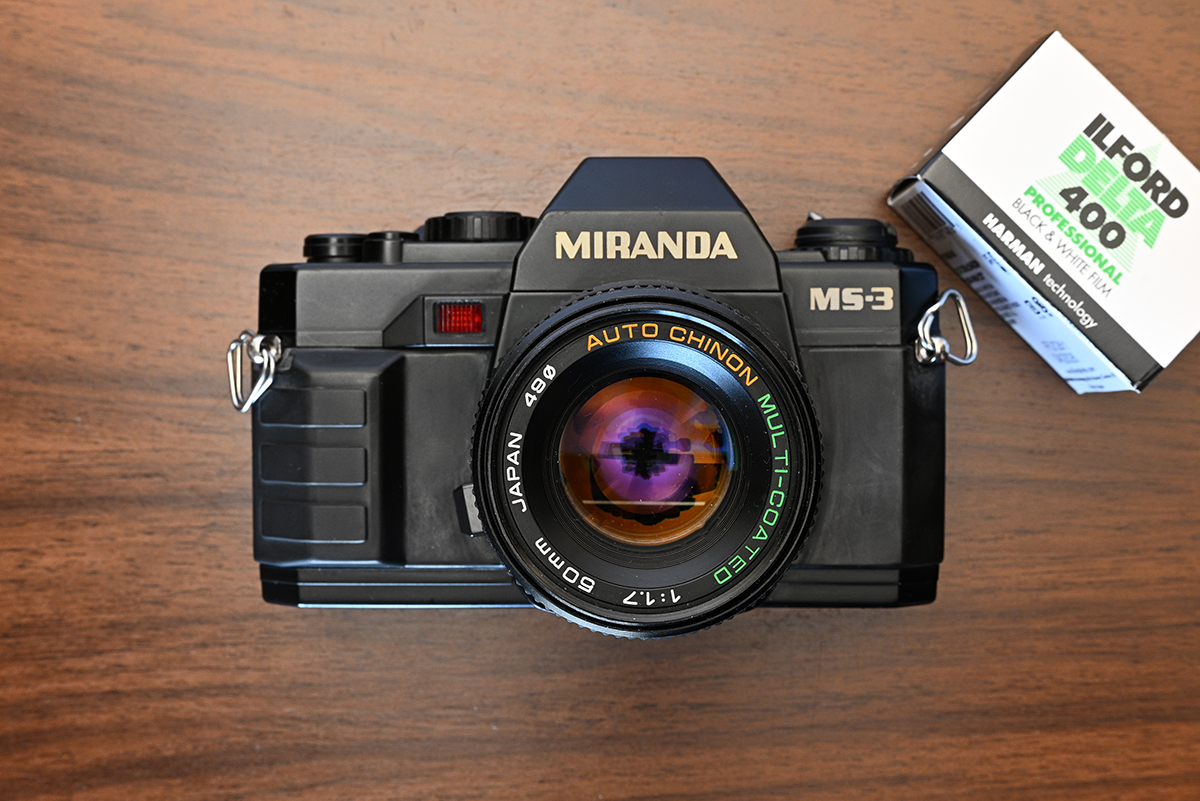
Few things beat a weekend “camera crawl” through local charity shops, searching for disregarded treasures. During my last outing, I stumbled upon this Miranda MS-3. It looked a little worse for wear sitting on the shelf, so I decided to give it a second life (and filmed a vlog about it in the process). As you can see from this screen grab, it was looking pretty sad when I first found it.
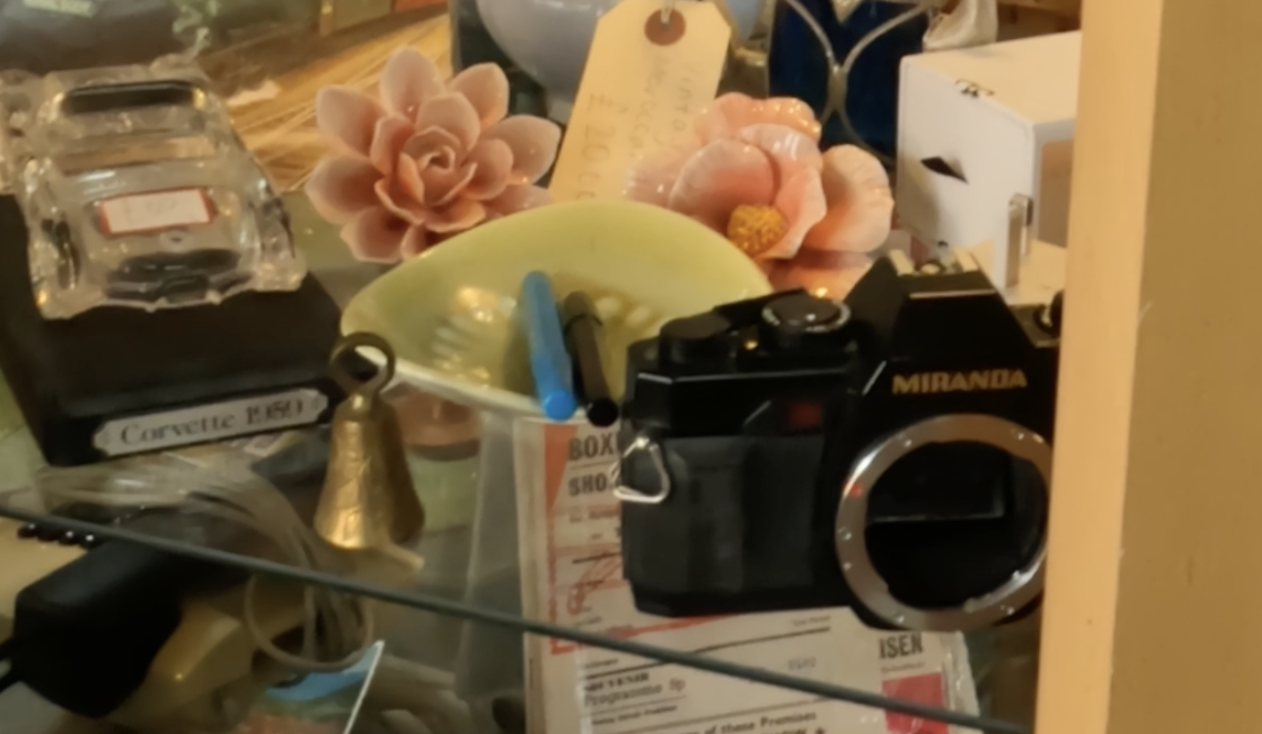
Initially, I wasn’t sold. Did I really need another electronic plastic body from the ’80s? This one was caked in dust, missing a lens, and looked dead on arrival. I walked away without a second thought. But that night, curiosity got the better of me. Miranda used to be a heavyweight in the industry, so I started digging. That search sent me down a massive rabbit hole involving Miranda, Cosina, and the king of the 1980s high street: Dixons.
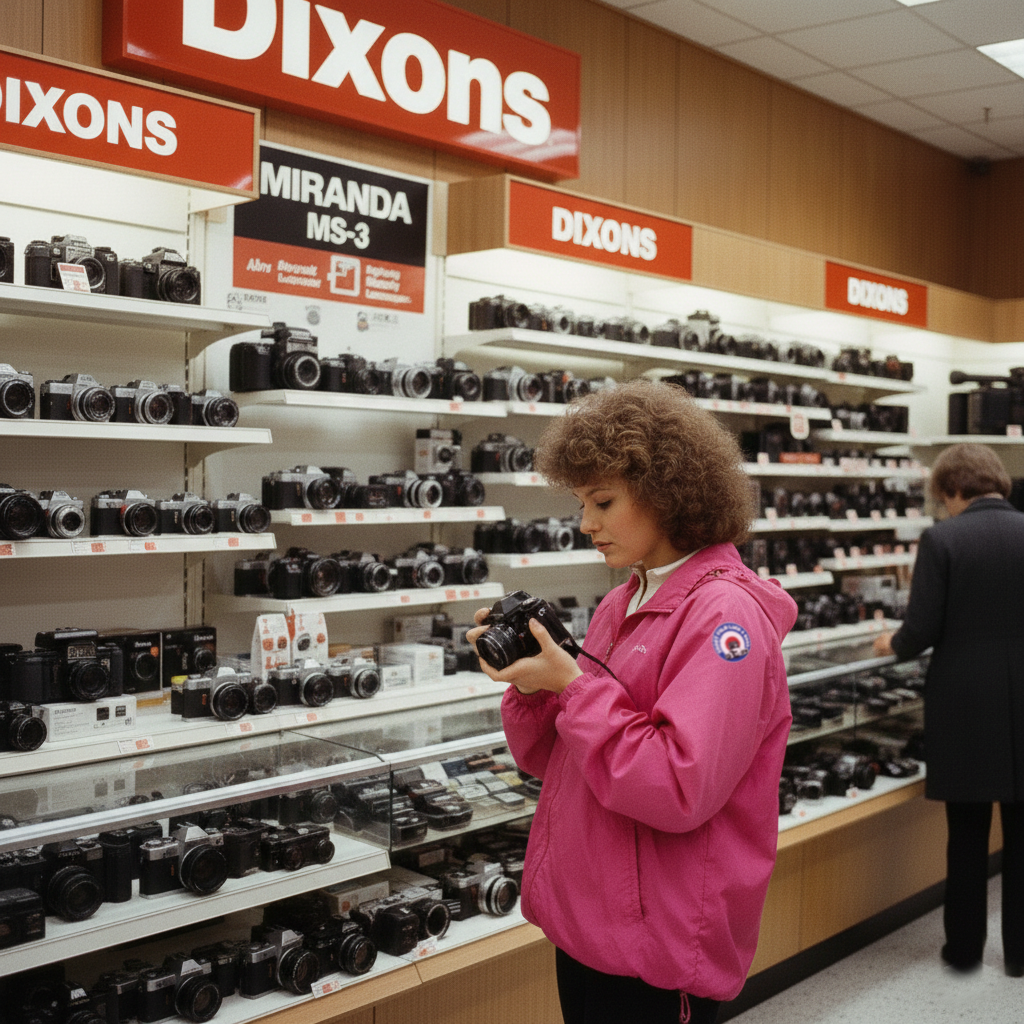
It turns out my nostalgia for the Miranda name was exactly what Dixons was banking on. After the original Miranda Camera Company went bankrupt in the late ’70s, the UK high-street giant snatched up the naming rights. It was a genius, if slightly cynical, move: Dixons could buy budget gear in bulk, slap a “prestigious” logo on it, and watch unsuspecting enthusiasts—like myself—associate it with vintage quality.
Under the Hood: The Cosina Connection
The rabbit hole went deeper. I discovered that this MS-3 is actually a Cosina CT-9 in disguise. Dixons simply approached Cosina and commissioned them to rebrand the body. It wasn’t the first, either; the MS-1 and MS-2 had already paved the way for this “imposter” lineup.
As it turns out, Cosina was the ultimate ghost-writer of the 1980s camera world. While they were seen as a budget brand, they were busy stamping different names on the CT-9 chassis and shipping them all over the globe. And one of the main attractions of this camera was it had a Pentax K-Mount which meant there were a ton of quality lenses to fit from Pentax turning this budget plastic camera into serious picture taking machine once you took the “Miranda” kit lens off (which was also a Cosina lens).
The Ultimate Plot Twist: Cosina Today
As I dug deeper, the story took a sharp turn. Far from being a forgotten budget brand, Cosina has transformed into a modern-day optics powerhouse. They’ve moved away from the “budget-friendly” label and now design and manufacture high-end glass for the likes of Nikon and Sony.
The real shocker? Since the early 2000s, Cosina has been the force behind Voigtlander. If you own a high-end Leica M-mount Voigtlander lens—like my own APO-Lanthar 50mm—it was actually born in a Cosina factory.
Back to the camera
Armed with fresh knowledge and a heavy dose of curiosity, I headed back to the charity shop. I wasn’t going in empty-handed; I brought along some batteries and a Chinon 50mm f/1.7 K-mount lens to see if this “Miranda” had any life left in it.
Things didn’t start well. The battery compartment was cross-threaded and just spun in place. Luckily, the shop assistant had a tiny screwdriver, allowing me to pull the entire bottom plate to get the door open. I popped the batteries in… and nothing. The camera was stone-dead.
A £5 Victory
I wasn’t ready to give up. Noticing the battery contacts were tarnished, I gave them a quick scrape with a pair of scissors to clear the corrosion. I tried the batteries again, and suddenly—click. The shutter fired!
I was elated. I handed over my £5 asking price, stepped out onto the street, and immediately started shooting. There is a unique thrill in taking photos with a camera that costs less than a fancy sandwich—especially one with such a bizarre, secret history. And the camera works just fine as you can see from one of the many photos I took on Ilford Delta 400.

Miranda MS-3
Quirky Controls: The Missing Shutter Dial
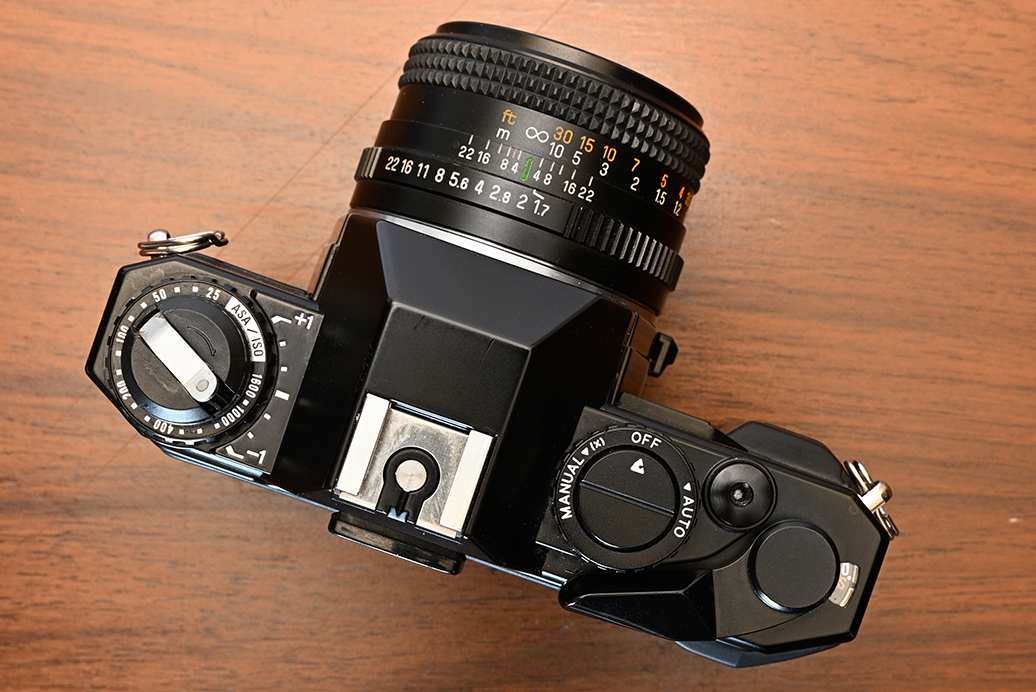
The MS-3 has a surprising trick up its sleeve: it offers both Aperture Priority and Full Manual modes, but you won’t find a shutter speed dial anywhere on the body.
The top dial is deceptively simple. From the “Off” position, a twist to the left engages Manual mode, while a twist to the right shifts it into Aperture Priority. But how do you actually change your shutter speed in manual?
The “Hidden” Interface
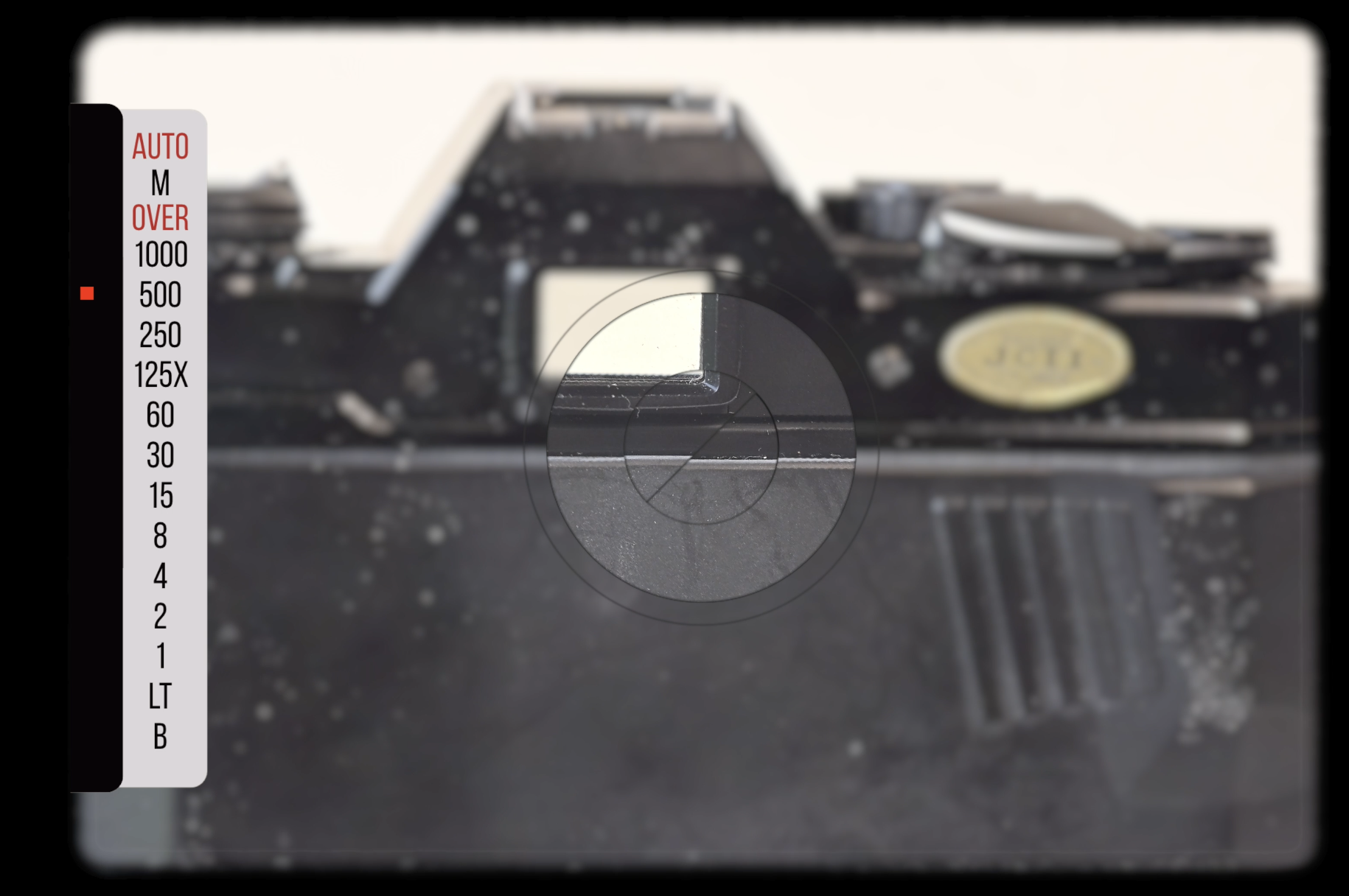
The answer lies tucked away inside the viewfinder. To adjust your speeds, you use a “rocker” button:
- Press Up: Increases the shutter speed.
- Press Down: Decreases the shutter speed.
As shown in the illustration below, your selection is confirmed by a glowing red square LED next to the corresponding speed in the viewfinder. It’s an unusual, tactile experience—very “high-tech” for the mid-80s—and it definitely takes a minute to get used to!
The “LT” Factor: Long Exposure Secrets
Another hidden gem on the MS-3 is the “LT” (Long Time) function. When you’re shooting in Aperture Priority mode and the light levels drop, the camera doesn’t just give up. If the required shutter speed exceeds one second, it automatically enters “LT” mode.
In this mode, the shutter stays open for the full duration needed to get a correct exposure—typically anywhere from 5 to 7 seconds. It’s an incredibly useful feature for tripod-mounted night photography or capturing motion blur, and not something you’d necessarily expect from a £5 charity shop find!
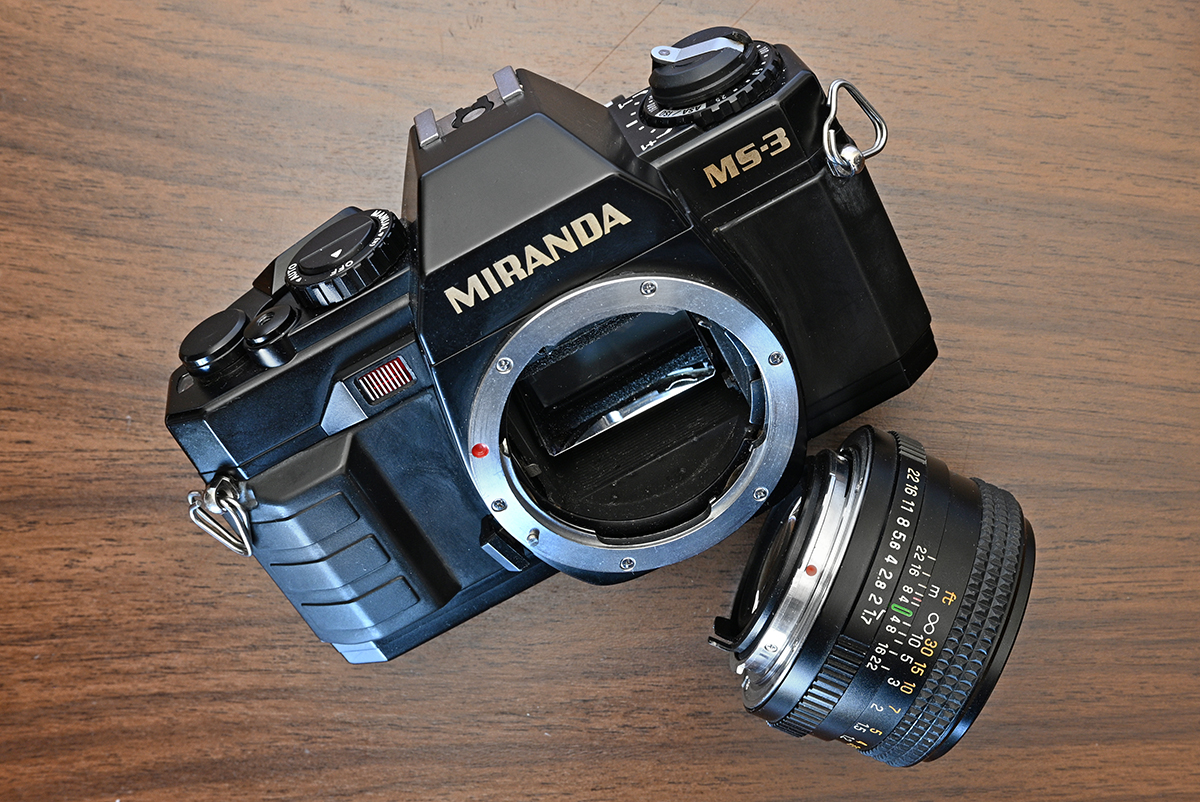
- ISO – 25 – 1600
- Shutter 1/1000 – 1s (plus LT and BULB)
- Lens Fitment – Pentax K-Mount
- Self Timer
- Fully Electronic Shutter
- Split Microprism ViewFinder
- Counter Window
- Exposure Compensation
- 2 x LR44 Batteries
After shooting an entire roll of Ilford Delta 400 as a test I was pleased to see no light leaks and the exposures were consistent with the various lighting I was shooting in on the street.
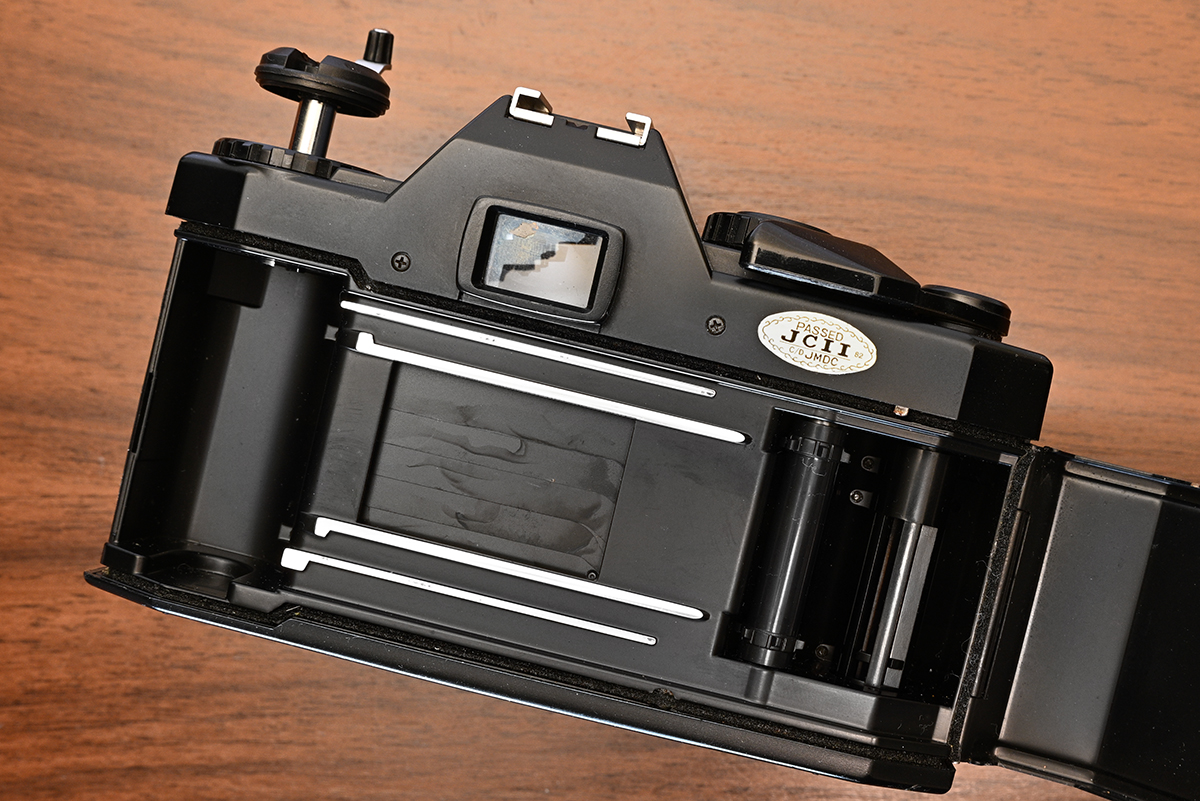
There is only one issue I noticed which was inconsistent frame separation. I will have to watch this as it could lead to overlapped frames! Maybe I just need to be less heavy handed on advancing the camera! I hope so!
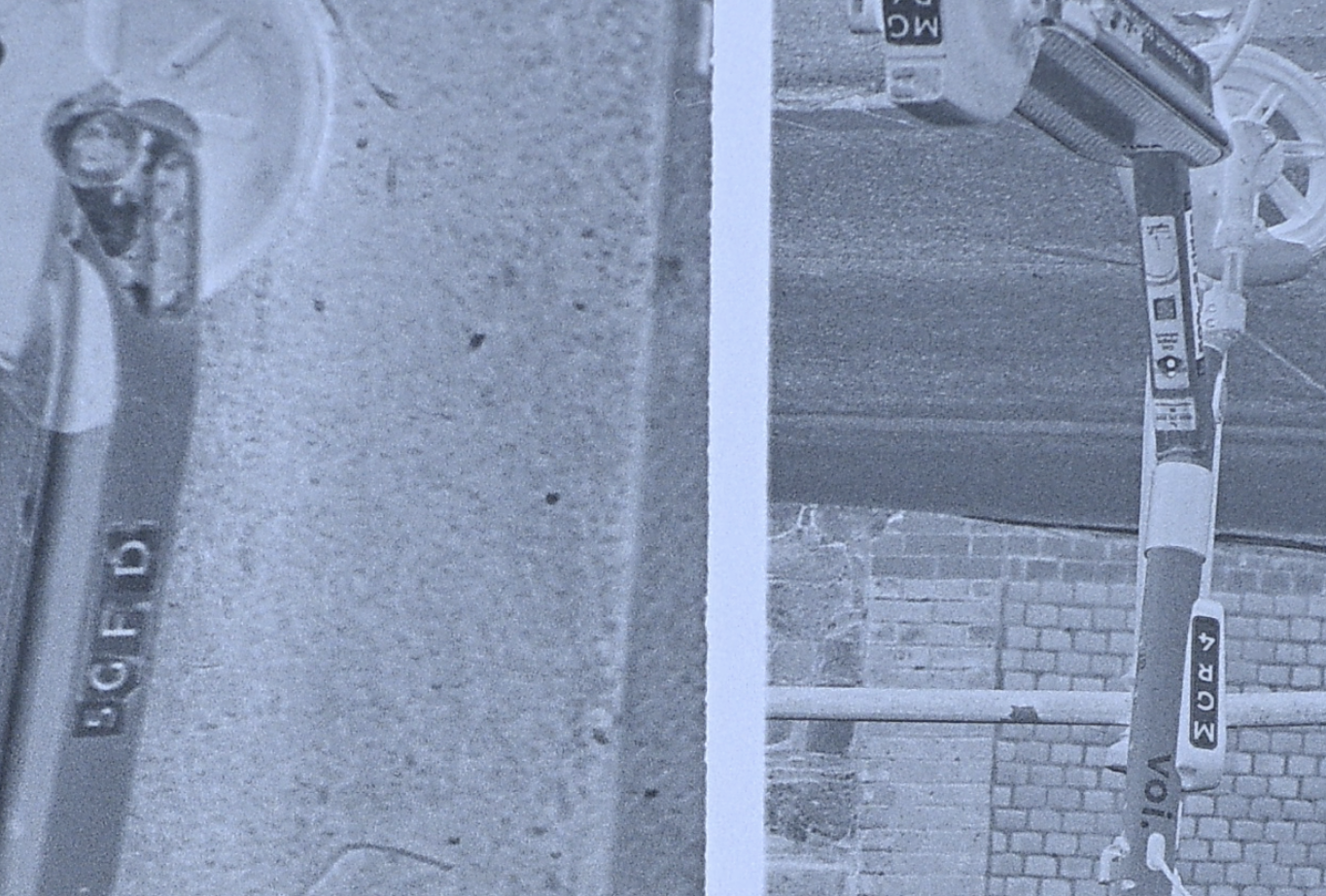
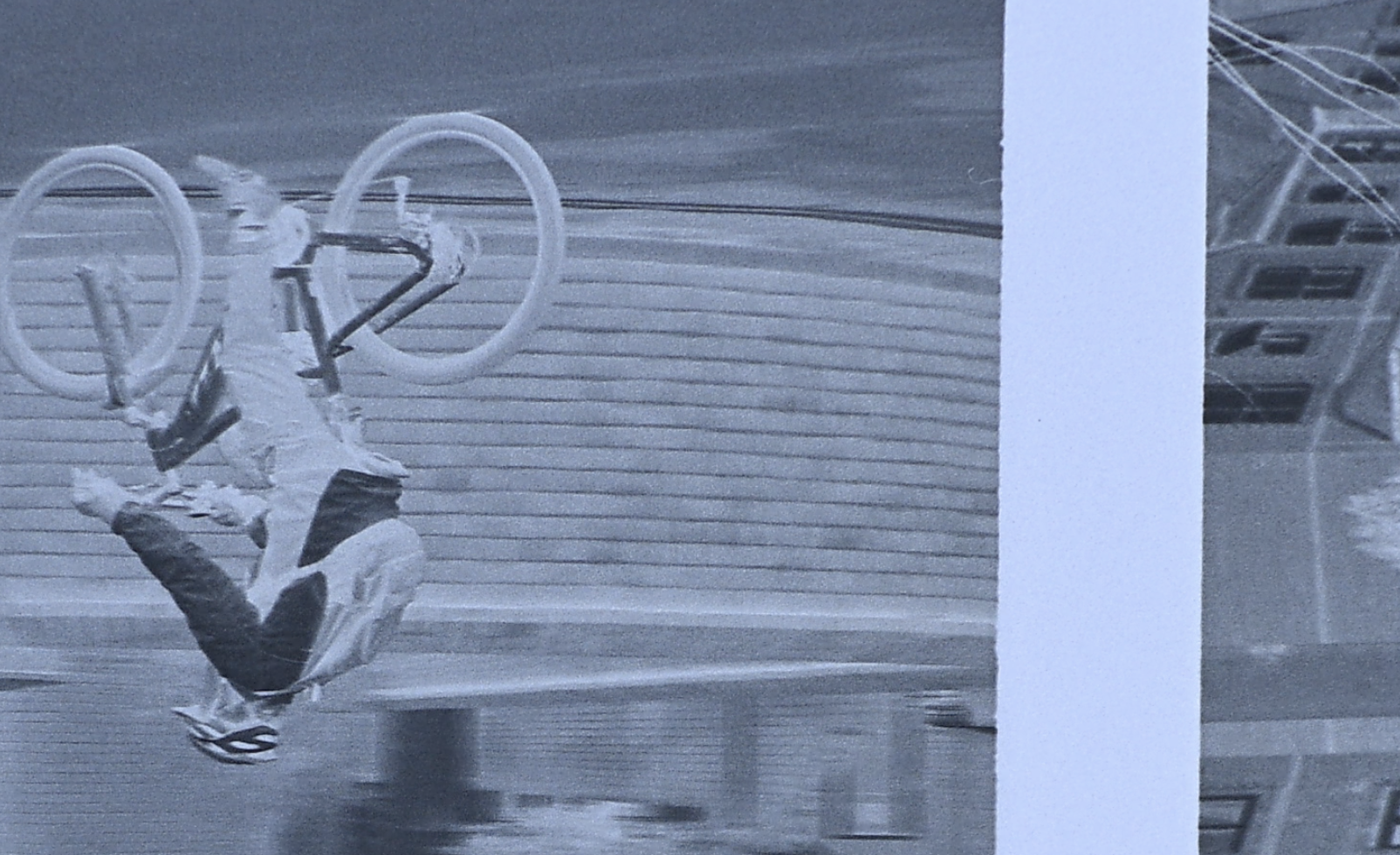
A few of my photographs
Here are a few examples from the Ilford Delta 400 developed in Rodinal using the Chinon 50mm f1.7 lens. A cracking little multi-coated lens.

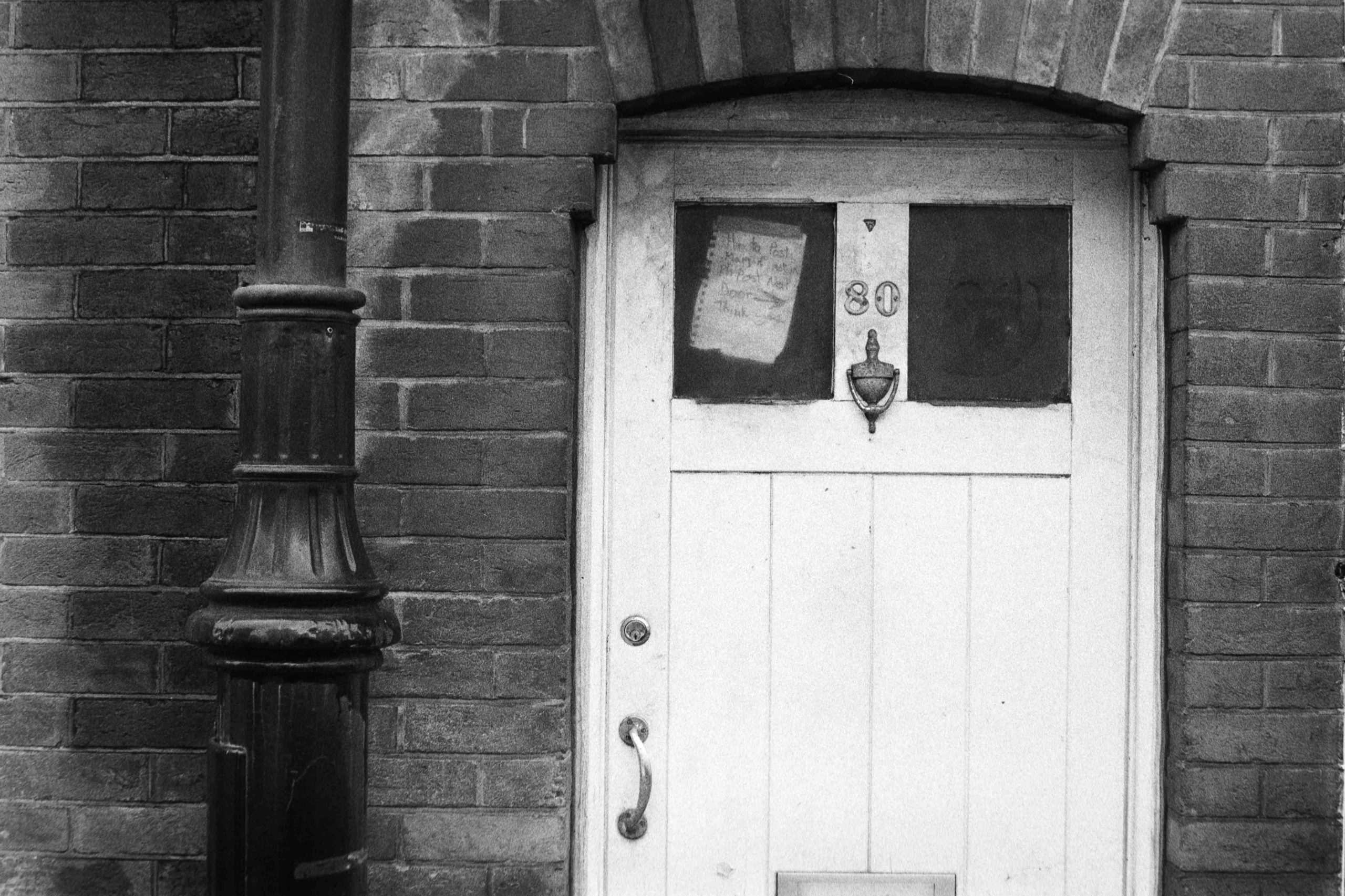

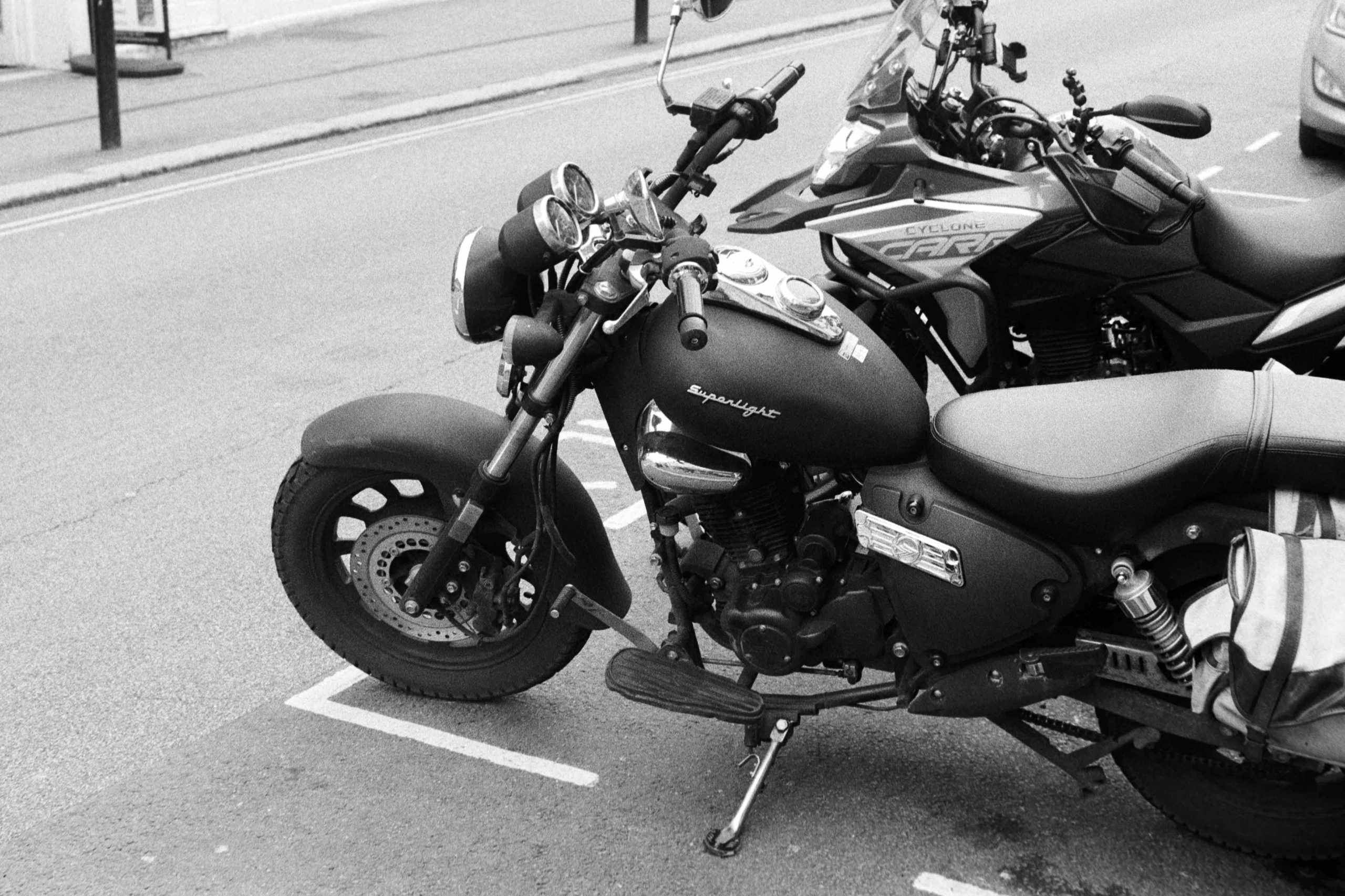
Final Thoughts: A £5 Gamble That Paid Off
It’s rare to walk into a shop today and walk out with a working film camera for a fiver—especially with the analogue world driving prices sky-high. While a standard MS-3 usually fetches around £30 on eBay, I’ve seen versions branded as the “Cosina MS-3” listed for over £100! It seems the MS-3 was such a hit in the UK that Cosina decided to take it international. Since they didn’t own the “Miranda” name outside of Dixons’ territory, they simply slapped their own logo on it and kept the model number.
The Verdict: Should You Buy One?
If you can find one that works, absolutely. Just remember: these are 40-year-old electronic cameras. They aren’t as bulletproof as a mechanical Nikon FM, so ask the right questions before you buy.
But if you snag a working copy, you’re opening the door to the massive world of Pentax K-Mount and Chinon glass—some of the best value-for-money lenses on the market. For the price of a sandwich, I got a piece of history and a capable shooter. Not a bad day at the charity shop!