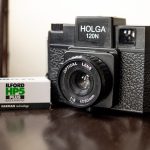
Let’s talk about the Holga 120N.
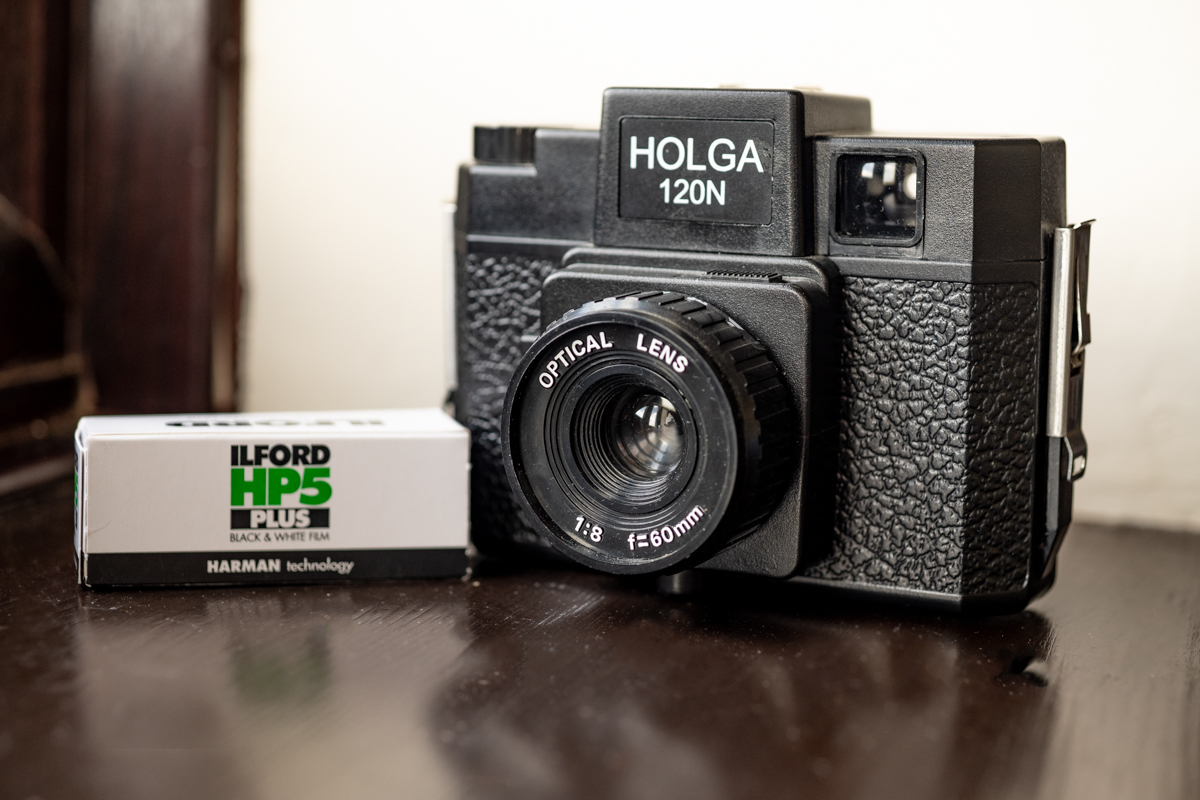
You know the one. It looks like a toy, feels like a toy, and it’s made of plastic. People probably look at you like you’ve wandered out of a school art project when you’re shooting with it.
But let’s get real. For me, this thing is a proper weapon in the arsenal. It’s a completely different headspace compared to shooting my other medium format cameras. And honestly? It’s addictive.
Here is my take on the pitfalls, the perils, and the magnificent promise of the Holga 120N.
Here is my most recent YouTube video on the camera
A Little About the Holga
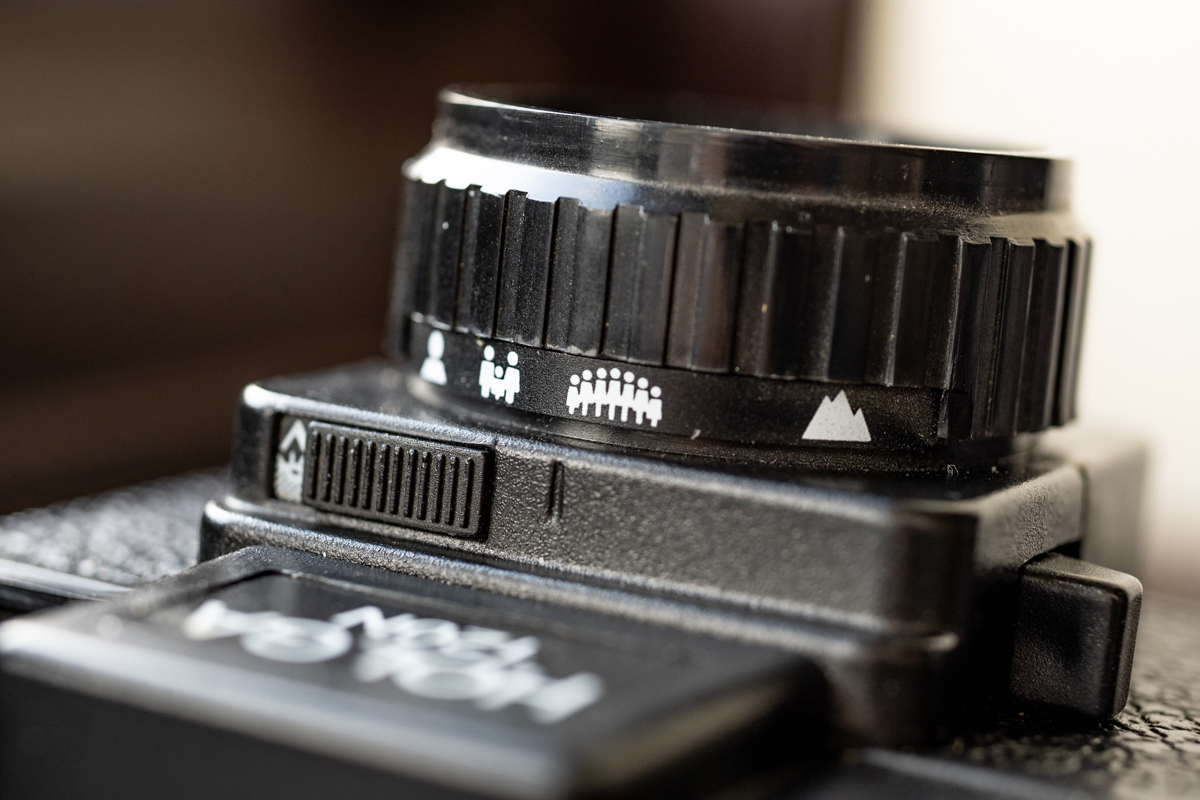
For the uninitiated, the Holga isn’t a precision instrument. It was introduced in the early 80s in China as a cheap, consumer camera. The design is simple: fixed shutter speed (about 1/100s if you’re lucky), fixed aperture (kind of f/8 or f/11), and a plastic zone-focus lens. You get two options for the image size: a square 6×6 frame (12 shots per roll) or a panoramic-ish 6×4.5 (16 shots). That’s it.
It’s rudimentary. It’s crude. And that’s exactly why it works.
The Pitfalls & Perils (Or: Why It’s Properly Annoying)
Let’s be honest, shooting a Holga can be a right pain in the neck.
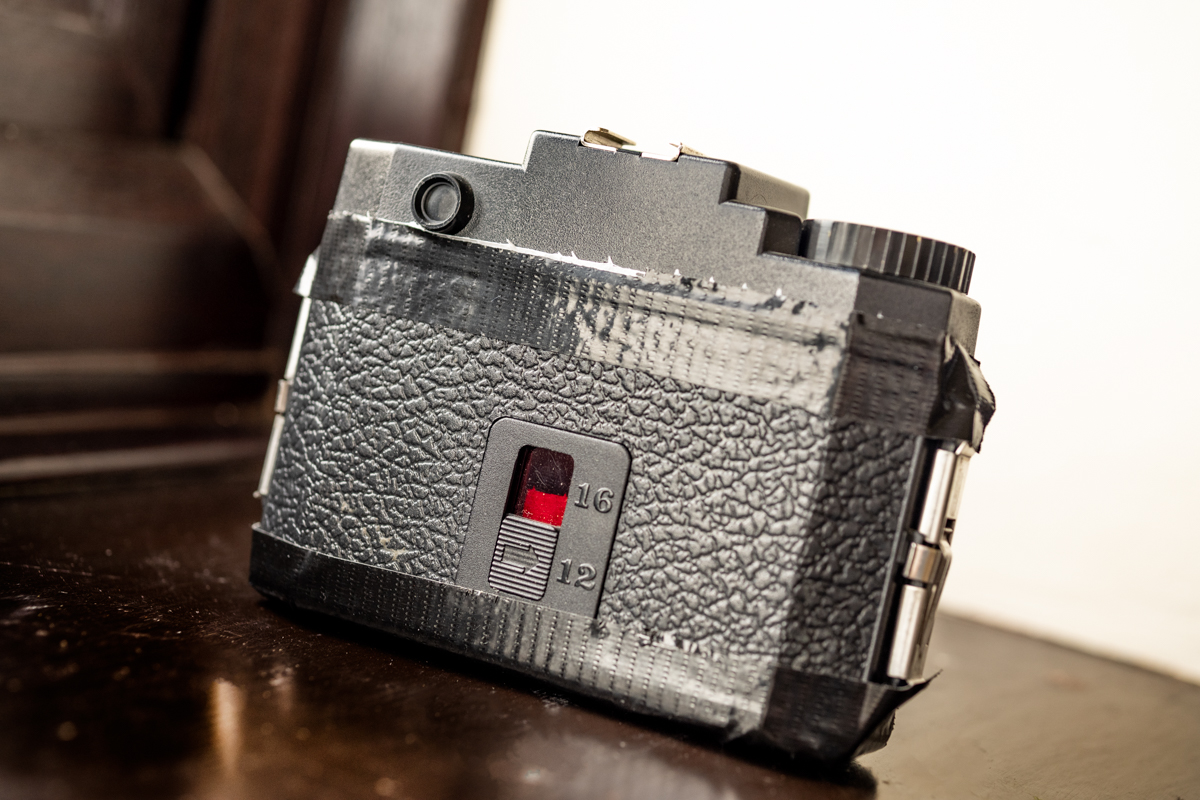
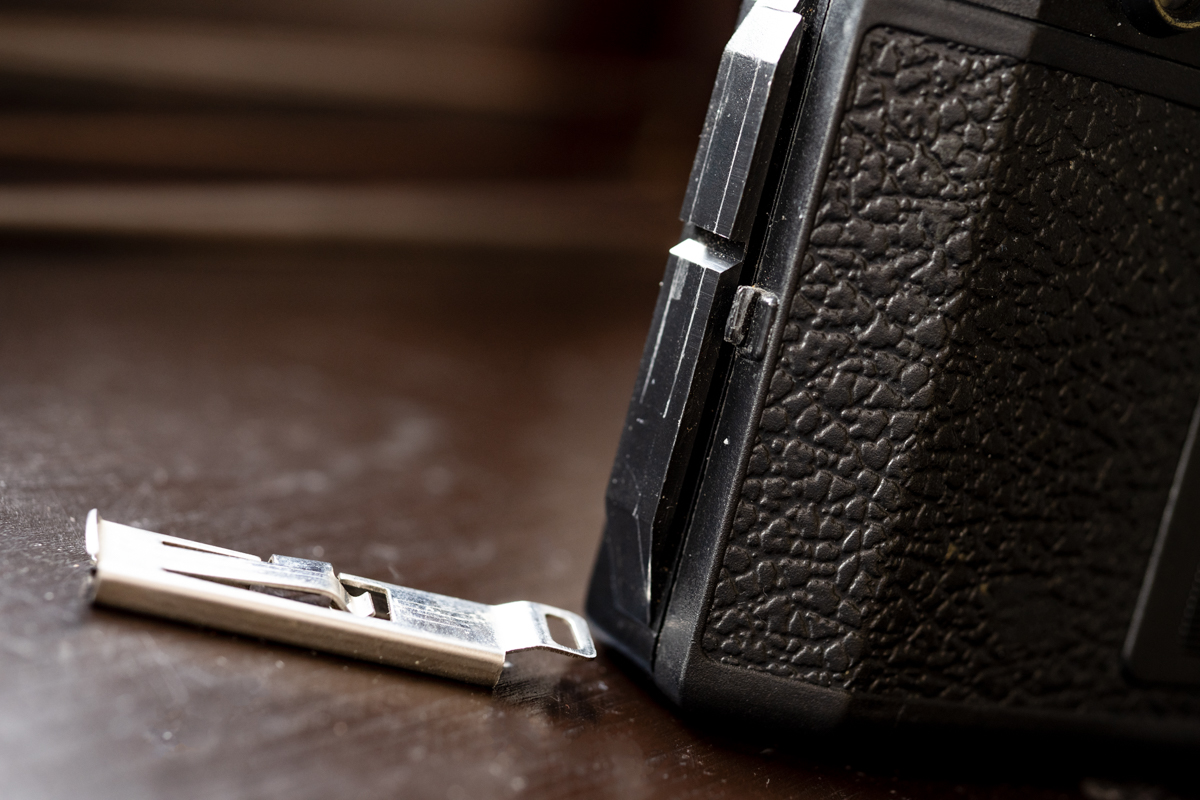
First, The Build. We’re talking cheap plastic. The back has been known to pop open mid-roll. Always use electric tape (gaffer tape is better) to seal the seams. I once lost an entire roll of FP4 because I was too lazy to tape it up. Never again.
Second, The Unknown. Every Holga is slightly different. They all have their own specific quirks. Light leaks are almost guaranteed at some point in time. Vignetting (that dark shading around the corners) is intense. Sometimes the shutter doesn’t fire properly. Your film winding might skip.
Third, The “Quality.” Let’s not mince words: it’s soft. The edges of your frame are going to be a blurry mess. There is no such thing as critically sharp focus on a Holga.
The Promise (Or: Why It’s Brilliant)
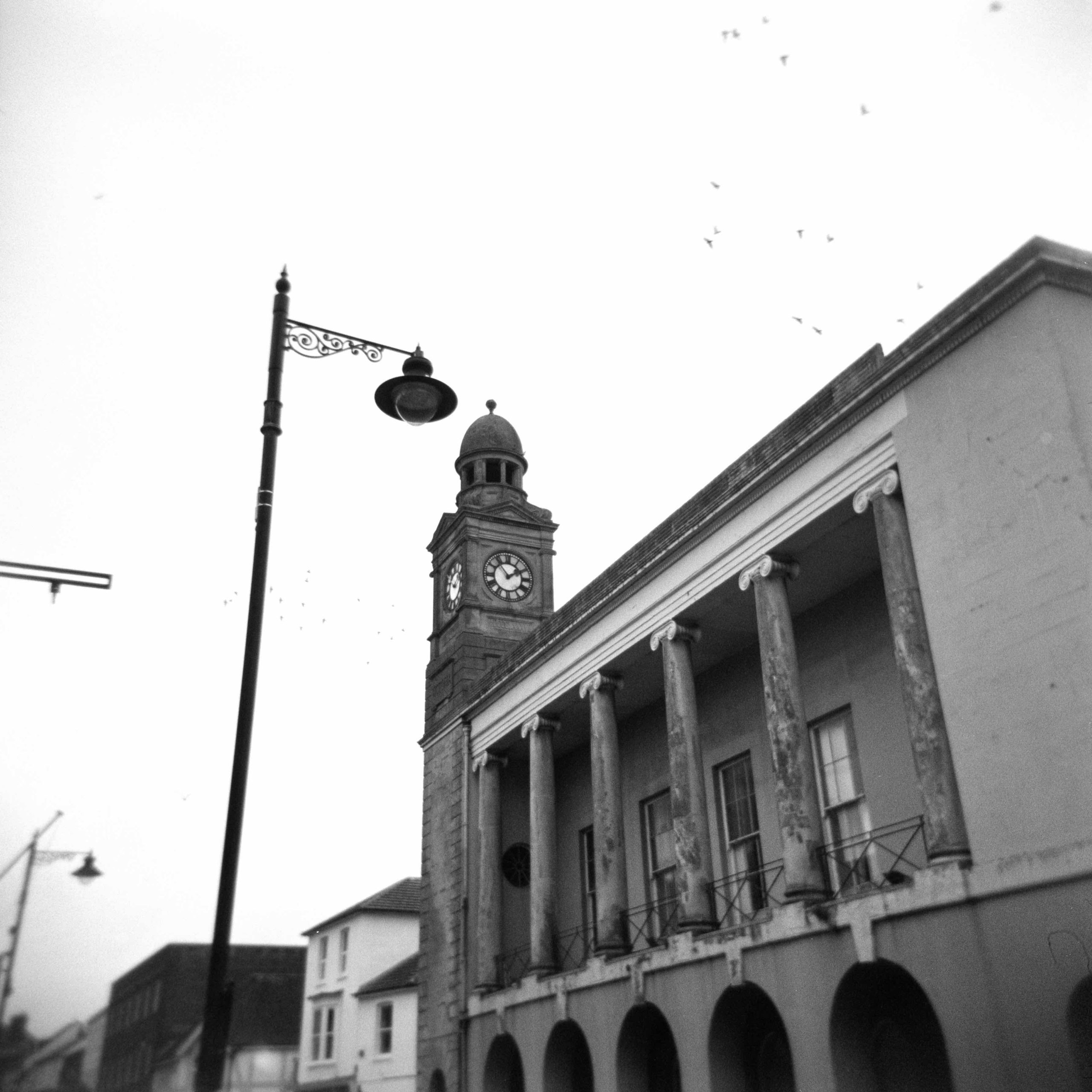
This is where the magic happens. Despite all its ridiculous flaws, the Holga delivers something nothing else can: Pure, unfiltered character.
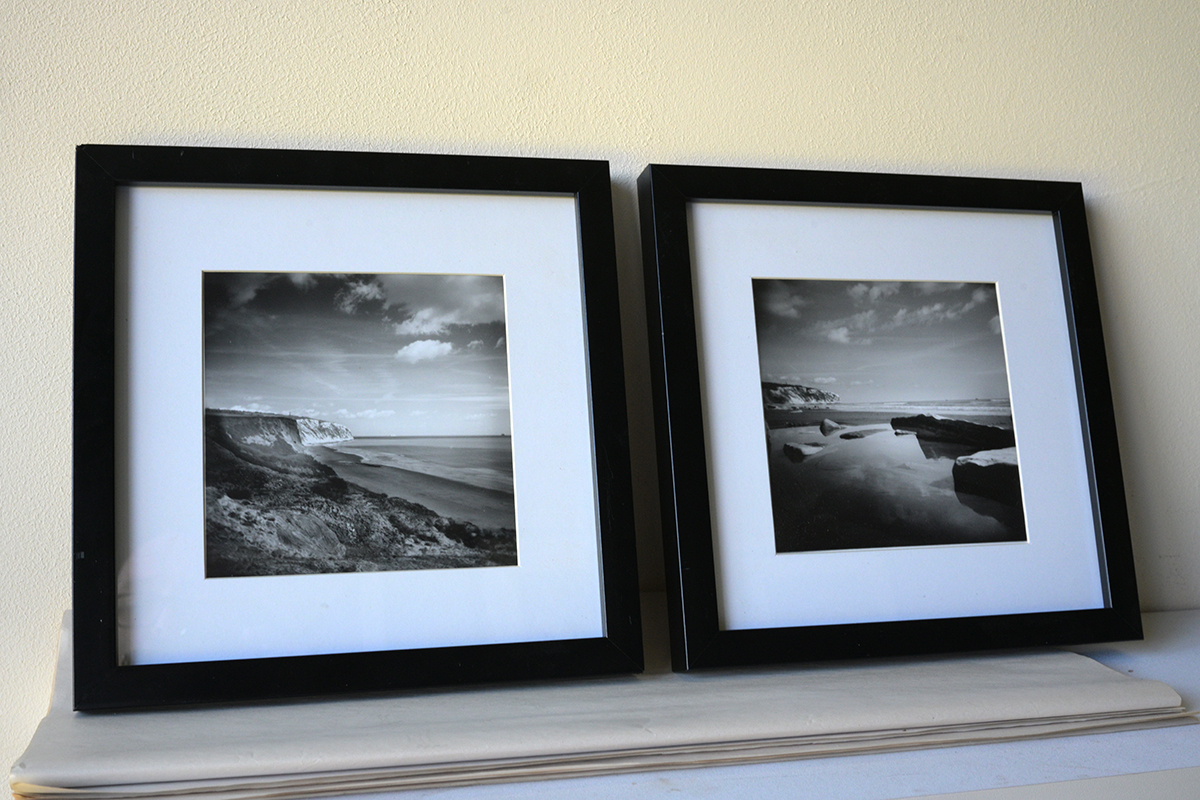
That softness? It’s dreamy. The vignettes? They frame your subject perfectly. The light leaks? Sometimes they ruin a shot, but sometimes they create this unbelievable, ethereal flare that you couldn’t replicate in a darkroom or a computer if you tried.
The real promise of the Holga is Freedom. There is zero faff. No aperture to check. No shutter speed to set. No light meter to second-guess. You load the film, tape it up, aim, and shoot. What you have is what you get.
It forces you to focus entirely on composition the mood and hunt for appropriately lit scenes. It’s liberating. It reminds you that the camera isn’t the artist—you are.
Why I Like Using It
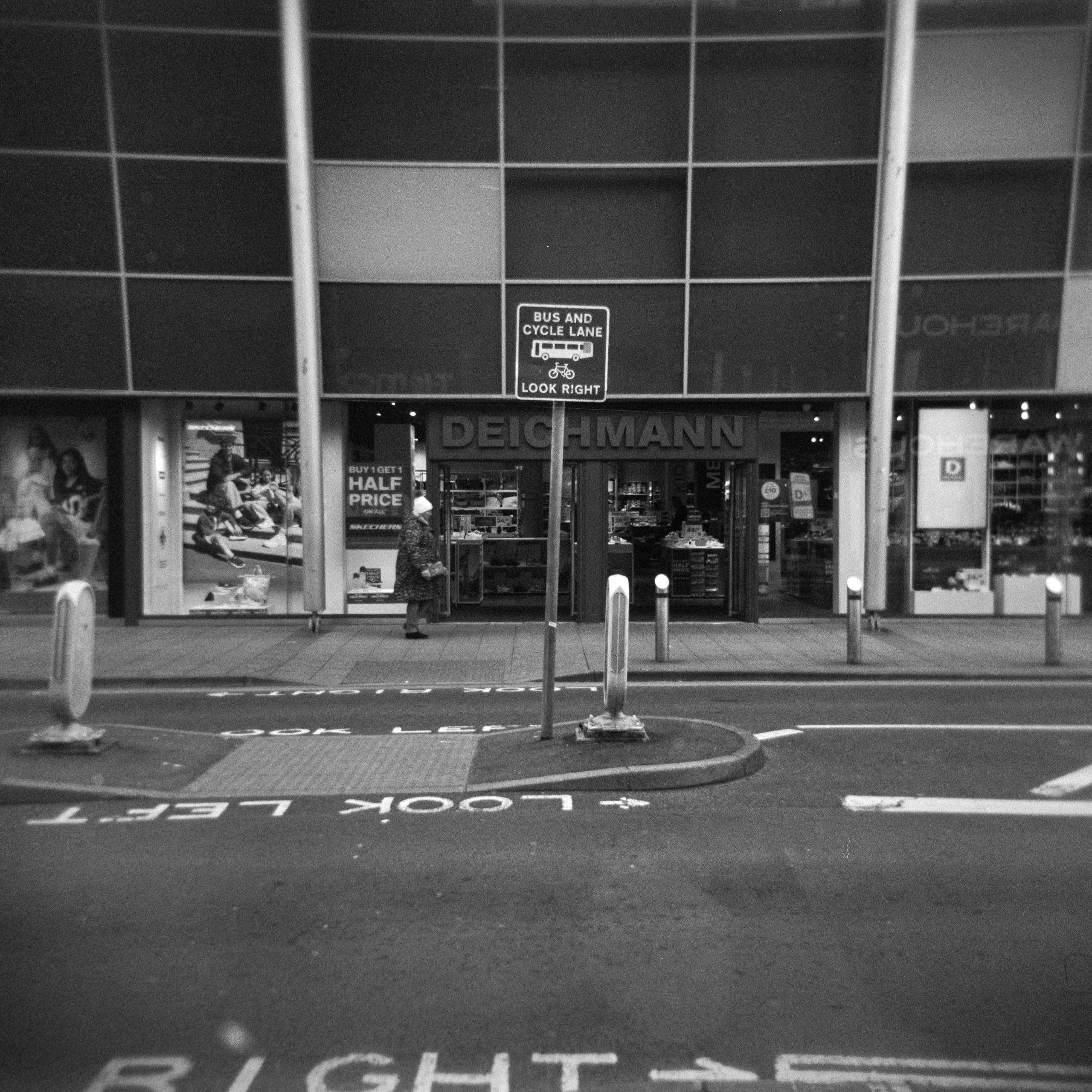
I’m the first to admit I don’t use my Holga often. Usually, I want the edge-to-edge sharpness that my medium format or high-end 35mm gear provides. But the Holga is in a world of its own. It’s a palette cleanser. It’s what I reach for when I want to get back to the basics and just play with light. Or, just fancy something different from my photography.
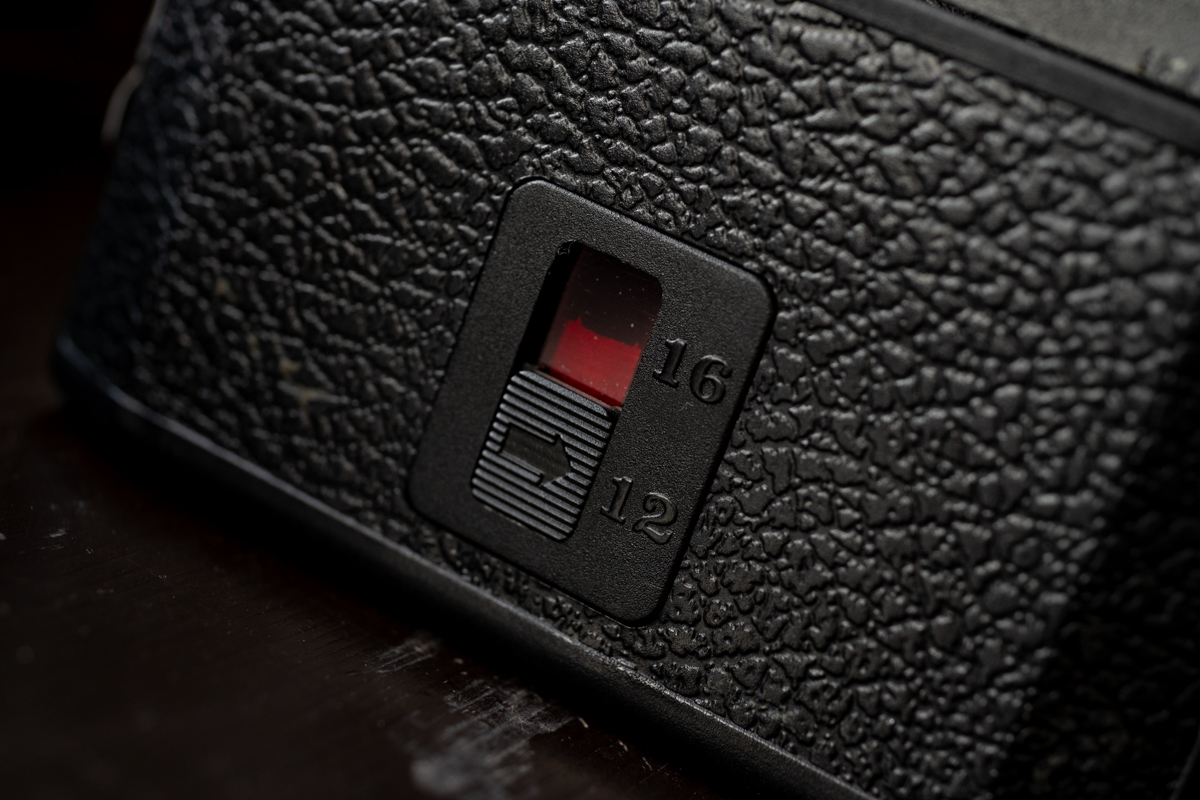
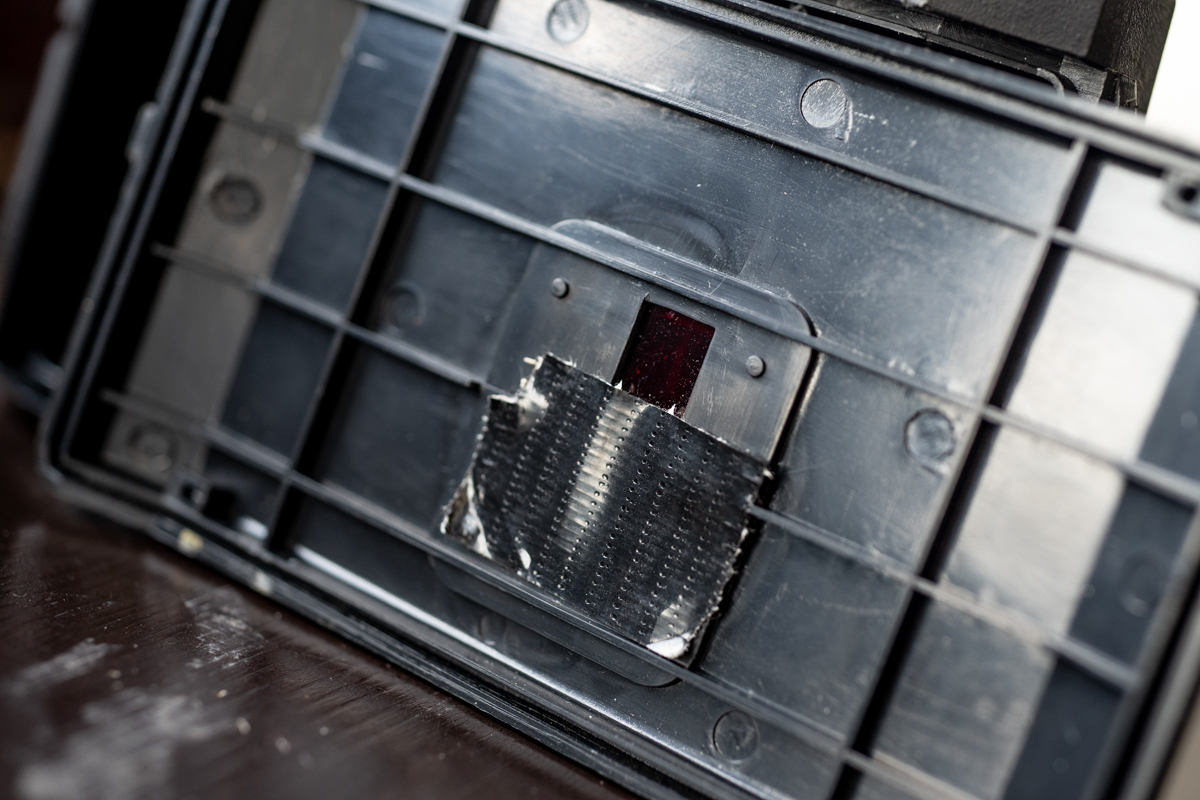
I said earlier “panoramic-ish 6×4.5 (16 shots)”. On the back of the camera is the classic red window for choosing your format and advancing your frame numbers. I only ever use mine for 6×6 because for me personally it is the best format compositional and framing wise. So, I have mine set to 12 shots. And just to double make sure I get no leaks I even tape the rear of the window! Oh the joys!
But you know what’s mad? I could easily shoot only the Holga for a whole year and I’d have enough truly wonderful, unique photographs by the end of it to fill a stunning book. That plastic lens somehow makes everyday life look… well, different!
What film to use?
This is what catches most people out. They get confused because you’ve only got two apertures (Sunny/Cloudy) and one shutter speed (around 1/100th).
I don’t overcomplicate it. I just see what’s going on up in the sky on the day I plan to shoot and go with the Sunny 16 rule. Here is the SFLAB cheat sheet I adhere to:
- Bright Sunny: 100 Speed Film (f/11 – 1/100th)
- Dull Overcast: 400 Speed Film (f/8 – 1/100th)
That’s it. That easy. In both cases, there’s a chance of the film overexposing, but that’s fine. I won’t even compensate in development. I’ll just embrace what I get—warts and all.
A waste of film?
100%. It’s a total waste of plastic and silver… if you’re a film snob. But I’m not here for that. I’m here for the buzz of the unexpected and the love of taking pictures.
If I load a roll of Fuji Acros II into the Holga, I know I’m lucky if I get three “keepers.” But those three? They’ll have a soul that my most of my other gear couldn’t touch. It’s about that rush when you pull the reel out and see one frame that’s absolutely mental—something no other camera could’ve caught. Quality isn’t always about the tonality, fine grain or perfect rendition of highlights, it’s about the feeling.
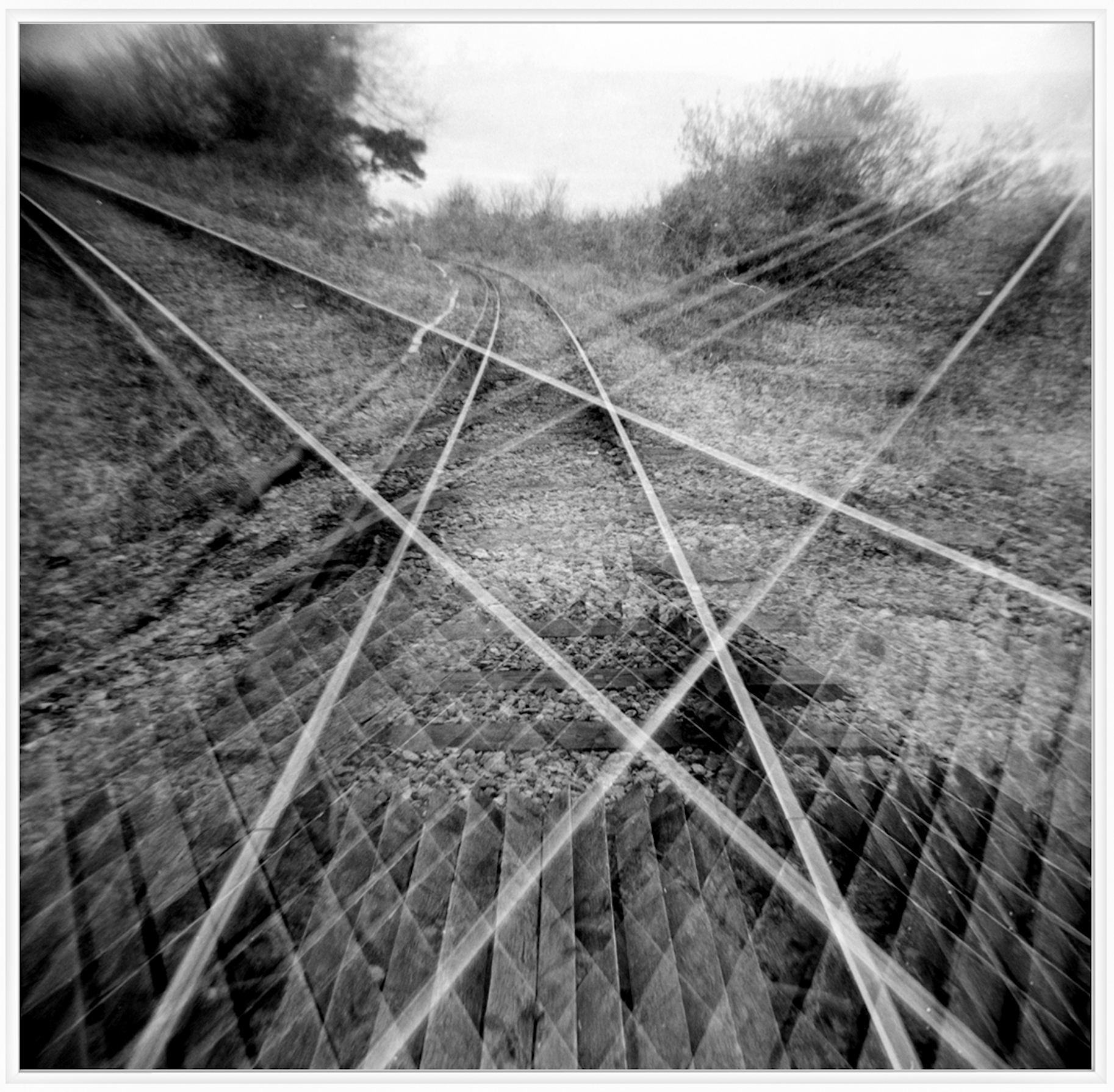
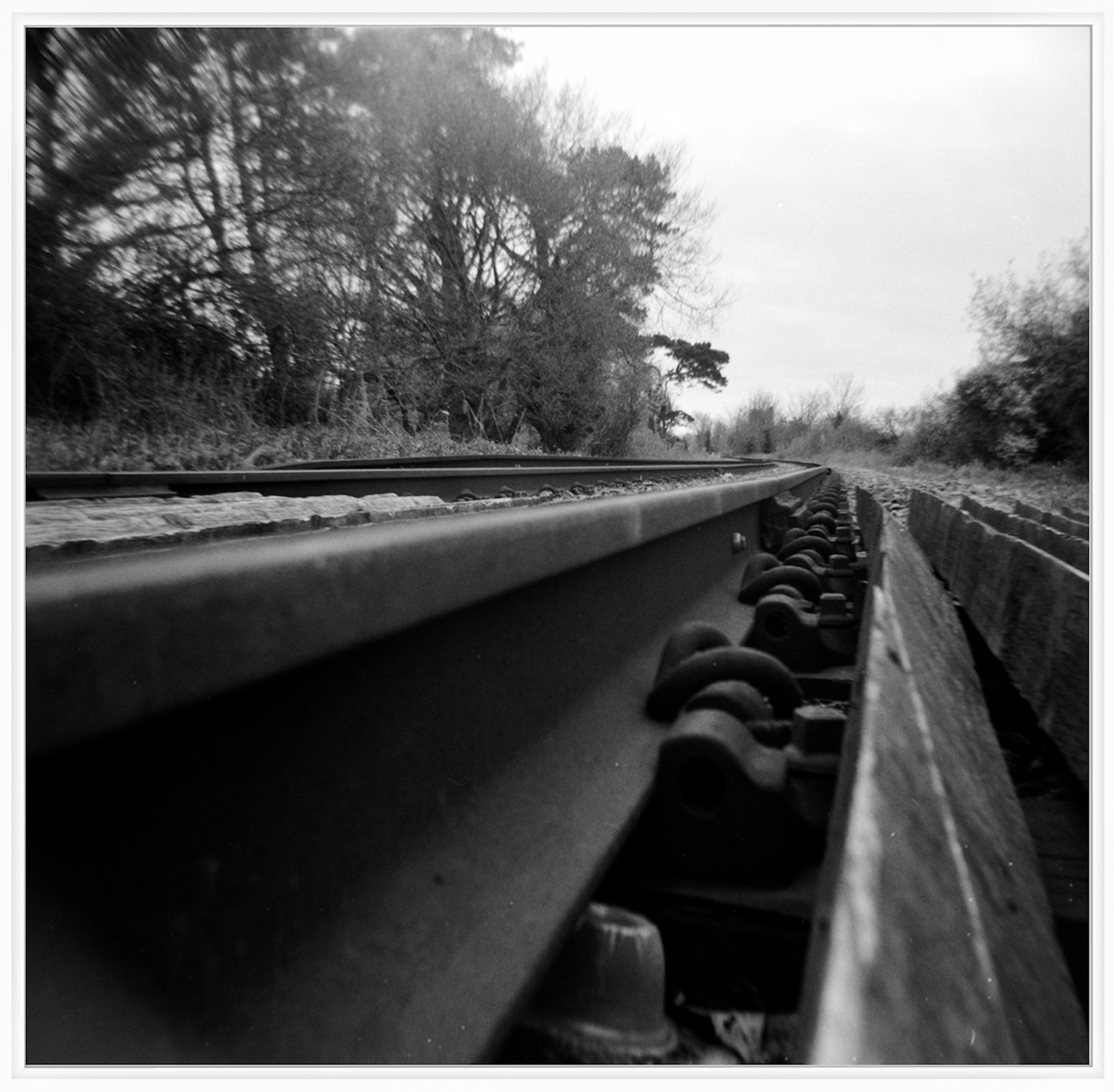
So, thats the Holga 120n and my view on the camera. Personally for the price, around £30, it’s well worth grabbing one and shooting a few rolls. You never know – you may end up enjoying the simple no fuss shooting experience as I have. A reminder that sometimes, the “wrong” tool is exactly right.
Thanks for reading and I hope it has inspired anyone looking at the Holga.
Shoot Film Like A Boss.
— Roger