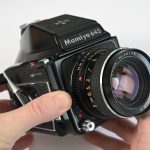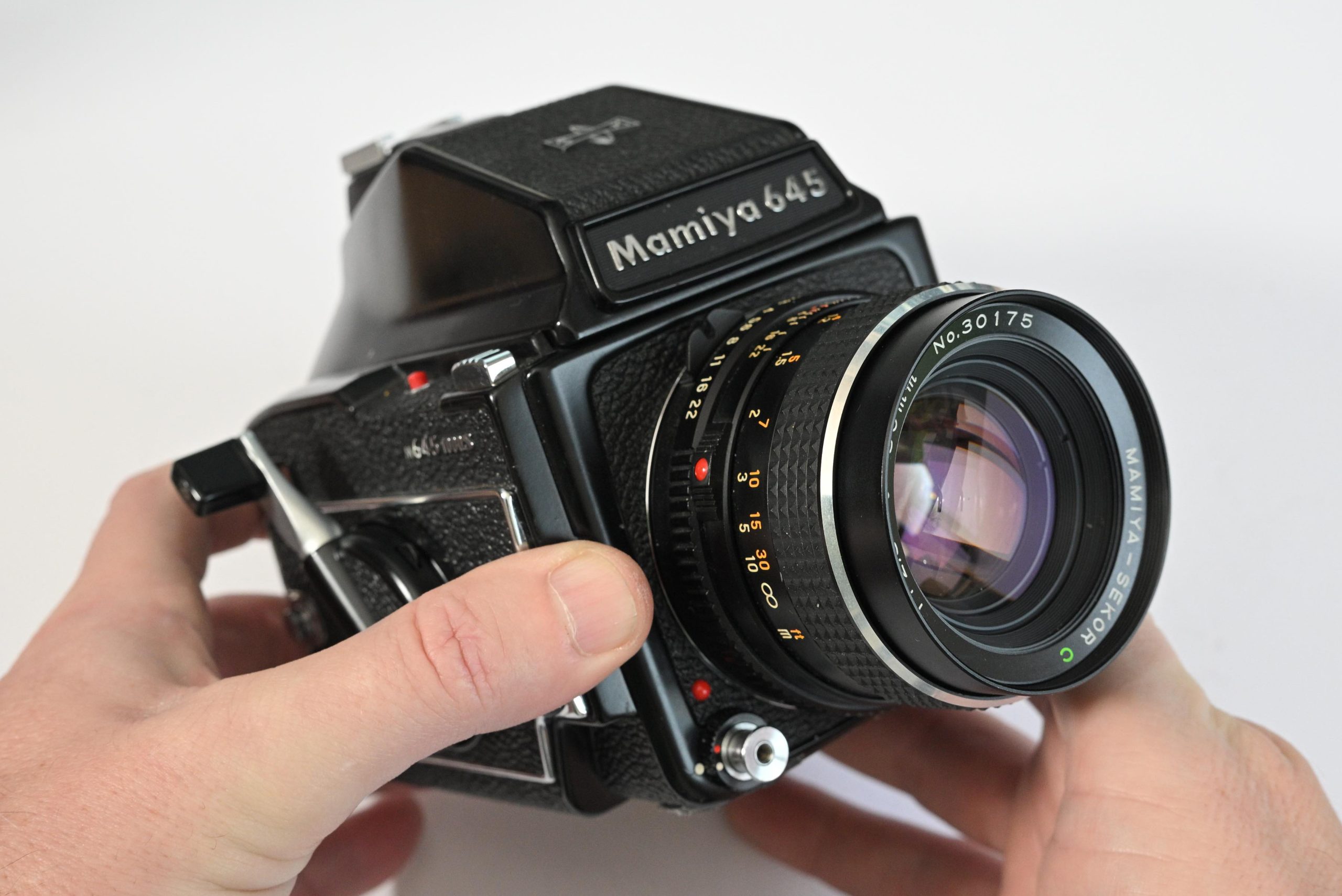
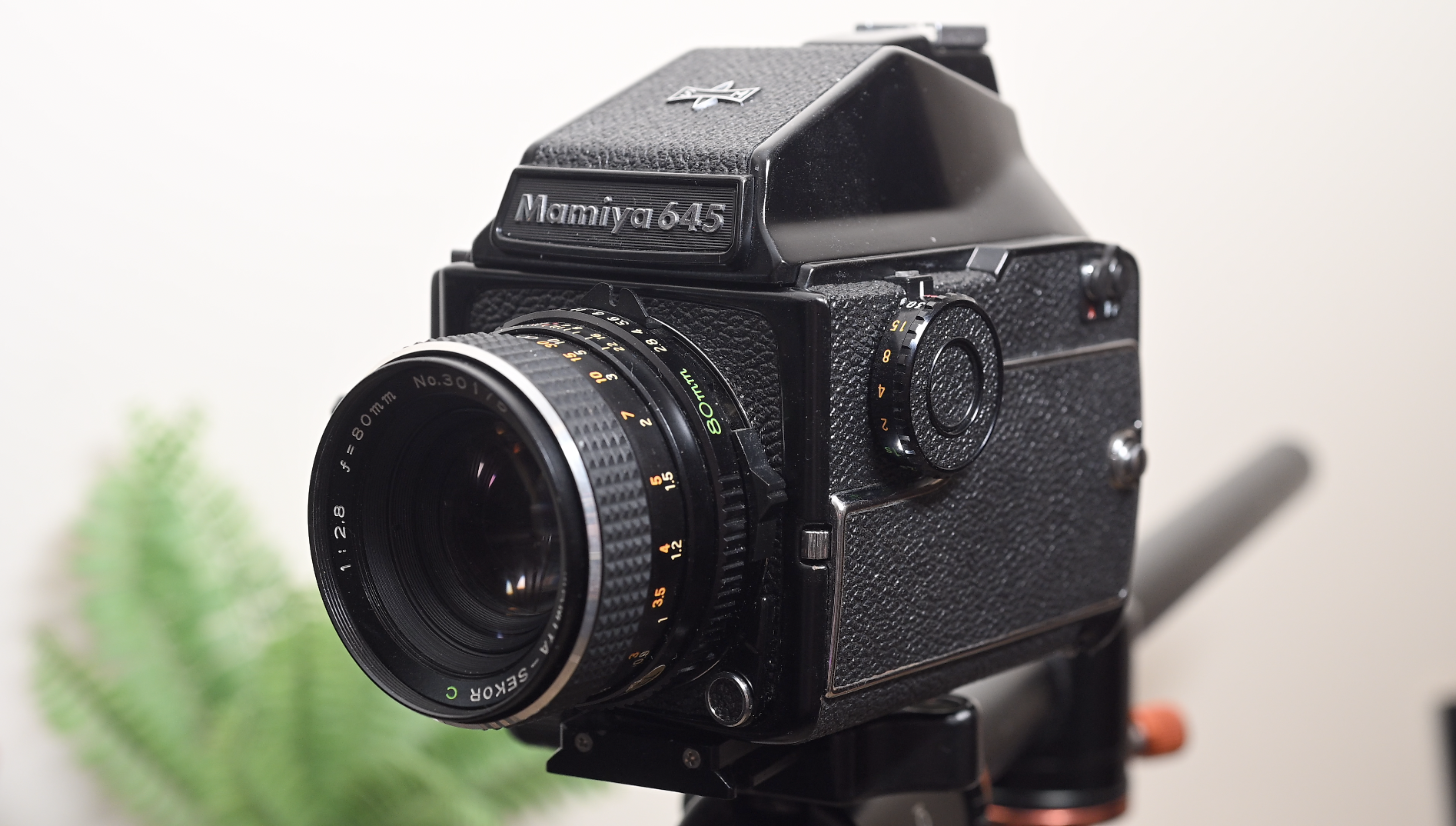
I do love these classic cameras, especially the ones from the 1970s and 1980s! I was lucky to pick up this beautiful example of the Mamiya 645 1000s camera from 1976 and it is a joy to shoot. Fully working too!
See the Video –
A Quick History of the M645
Let’s talk about 1975. Bell bottoms were in, disco was king, I was probably making a go-cart and Mamiya decided it was time to elbow their way into the medium format SLR party. The Mamiya 645 was born. It wasn’t just a camera; it was a modular system. Think of it as a photographic Lego set, but instead of little plastic bricks, you got a serious hunk of metal and glass.
It was Mamiya’s breakthrough, finally giving the big boys a run for their money in the ‘point-and-shoot-but-make-it-massive’ market. You got the interchangeable, utterly glorious Mamiya-Sekor C lenses (the glass is what really mattered, let’s be honest), a bunch of focusing screens, and viewfinders that looked like small modernist sculptures. Plus, you could bolt on things like accessory grips and film advance handles, turning your camera into a truly intimidating piece of kit. Mamiya also offered a “Power Drive” to bulk the camera up even More!
The Specs That Make You Say “Nice, But…”
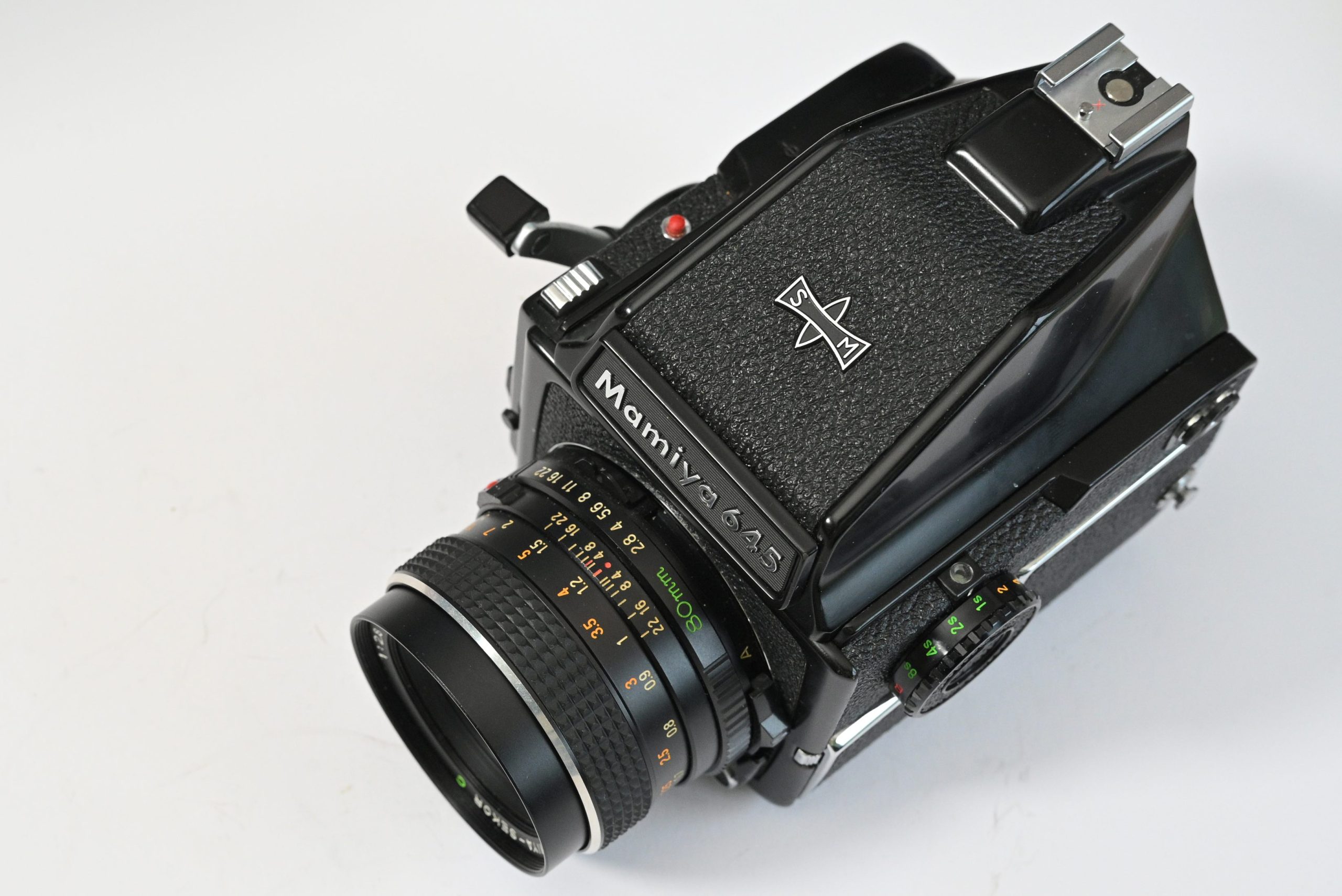
This original 645 was quite the beast, boasting a generous range of shutter speeds from a glacial 8 seconds all the way up to a zippy 1/500th of a second, plus Bulb mode. For comfort, Mamiya gave you two shutter release buttons (because one is never enough when you’re wrestling a medium format camera), and a multi-lever for taking double exposures—because sometimes, one mistake isn’t enough, you need two on the same frame! And a mirror up switch for those less shaky long exposures.
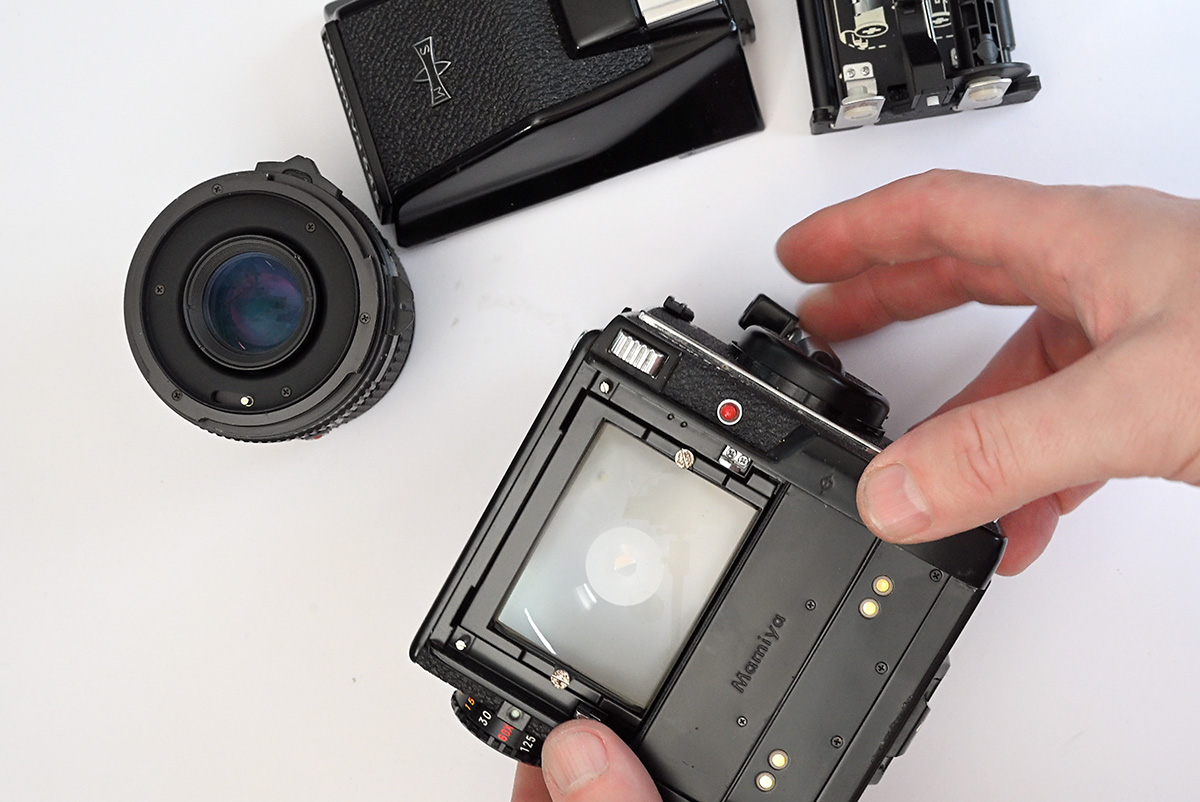
No interchangeable backs. That’s right. You’re committed to one film stock for the entire shoot. Want to switch from colour to black and white? Better bring a second camera, pal. Interchangeable backs? That was a luxury Mamiya saved for the “plastic lot” (the Pro, Super, and TL generations) that came later. Great cameras, sure, but they got all the fun gadgets!
No Depth of Field Preview. That one surprised me. Why Mamiya didn’t put a DOFP on their first 645.
The World’s Quickest Upgrade Cycle
The 645 was on the market for a whole 12 months before Mamiya pulled a classic corporate move. In 1976, they dropped the M645 1000S.
The difference? Well, it was exactly the same camera. Except Mamiya tacked on three things:
- A Depth of Field Preview. Very useful!
- A self-timer (perfect for when you really want to get in the group shot, but also want to use a heavy, tripod-mounted camera).
- A new speed: 1/1000th of a second.
And that is how it earned the “1000S.” Can you imagine being the poor soul who splurged on the original ’75 model, only to have Mamiya release the one that had more features a year later.
Another downside to the camera is the electronics. It takes a 6v battery or 4 LR44 batteries (with an adaptor) and without any batteries the camera won’t fire. So make sure you have spares!
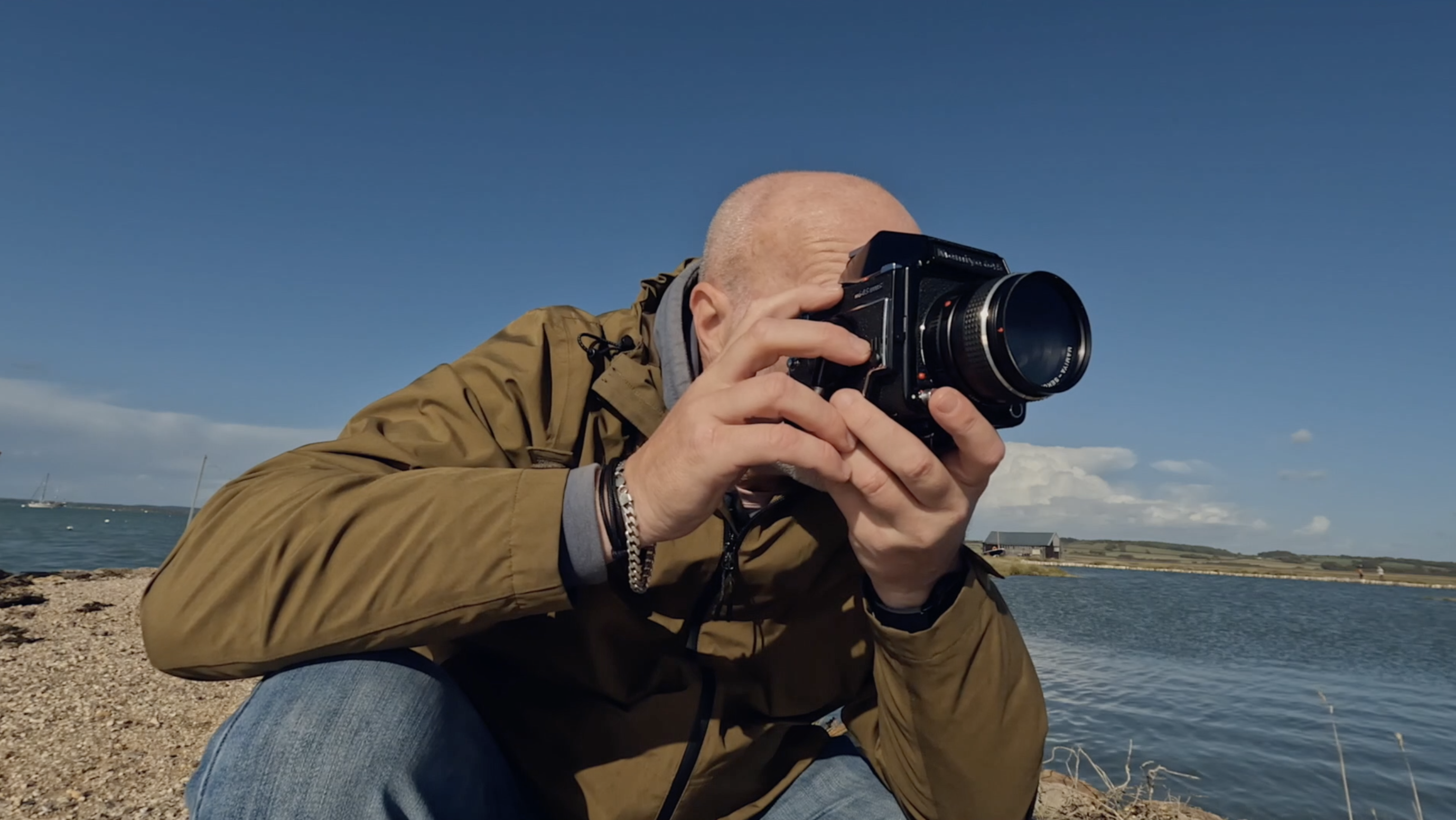
Shooting the camera
It’s not very heavy at all, just under a kilo, and it’s very compact. So shooting this camera around the streets or at an event is a breeze! A camera strap would be advised though!
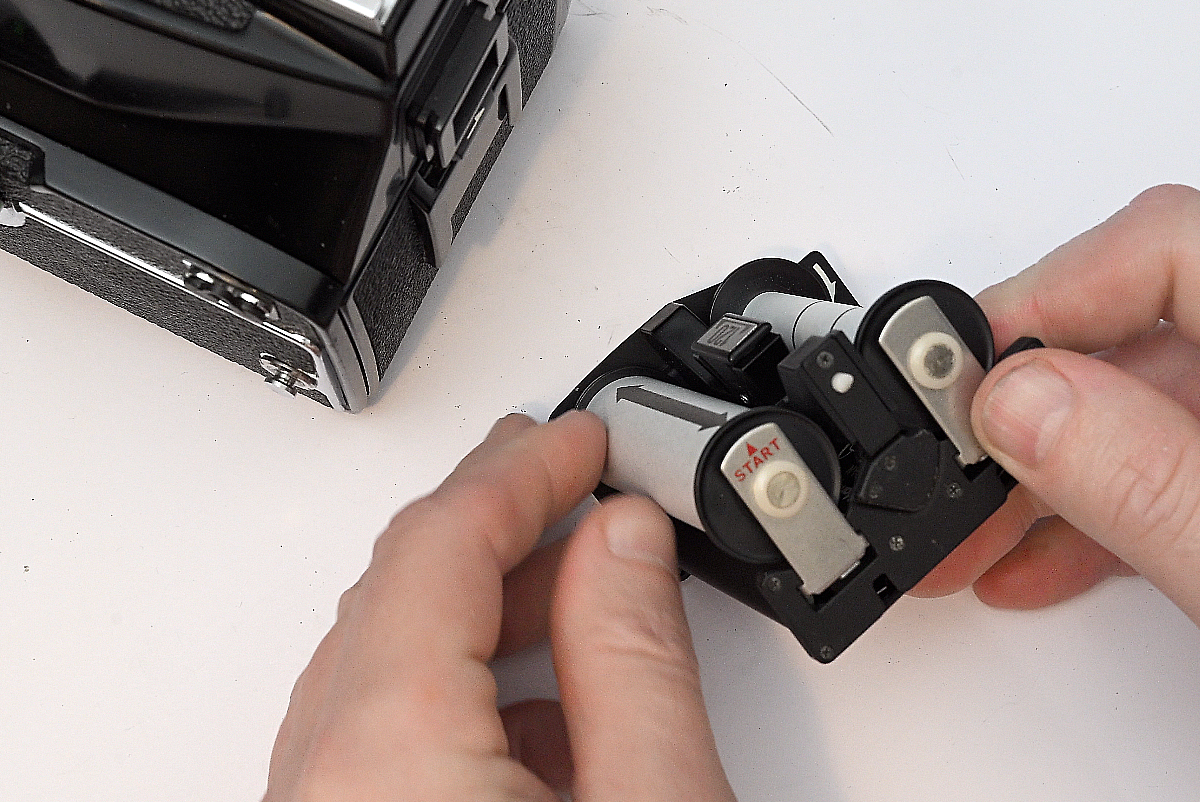
Loading the camera is easy with clear instructions on the cartridge where the start position is, however, if you only have the eye level view finder like me it may take some time getting used to! But as I have found, once settled in with composition and comfort it soon fits like a glove. A heavy one. It’s just a bit awkward at first, however, with the two fire buttons you get a choice of comfort.
Who’s it for?
I’d say this camera can easily replace the 35mm camera you are already shooting for your photography. As long as you don’t mind cutting down on exposures.
- Studio Portraiture – Amazing Camera
- Scapes – Definitely
- Street / Urban – Maybe a bit on the large side but definitely an option
- Still Life – Of course!
- Events/Weddings. A big fat YES.
- Wildlife – Hmmm?
- Sports – The speed is fast enough!
And to make your photographic journey more comfortable for any of the above there is a range of lenses, prisms and focus screens.
Classic 645
So, it’s a 645 Medium Format Camera. A sweet upgrade from 35mm film and a good intro into medium format. With a 120 roll of film you get 15 photos and if you enjoy using the films rebate in your final prints then you won’t be disappointed with the 1000s rebate signature.
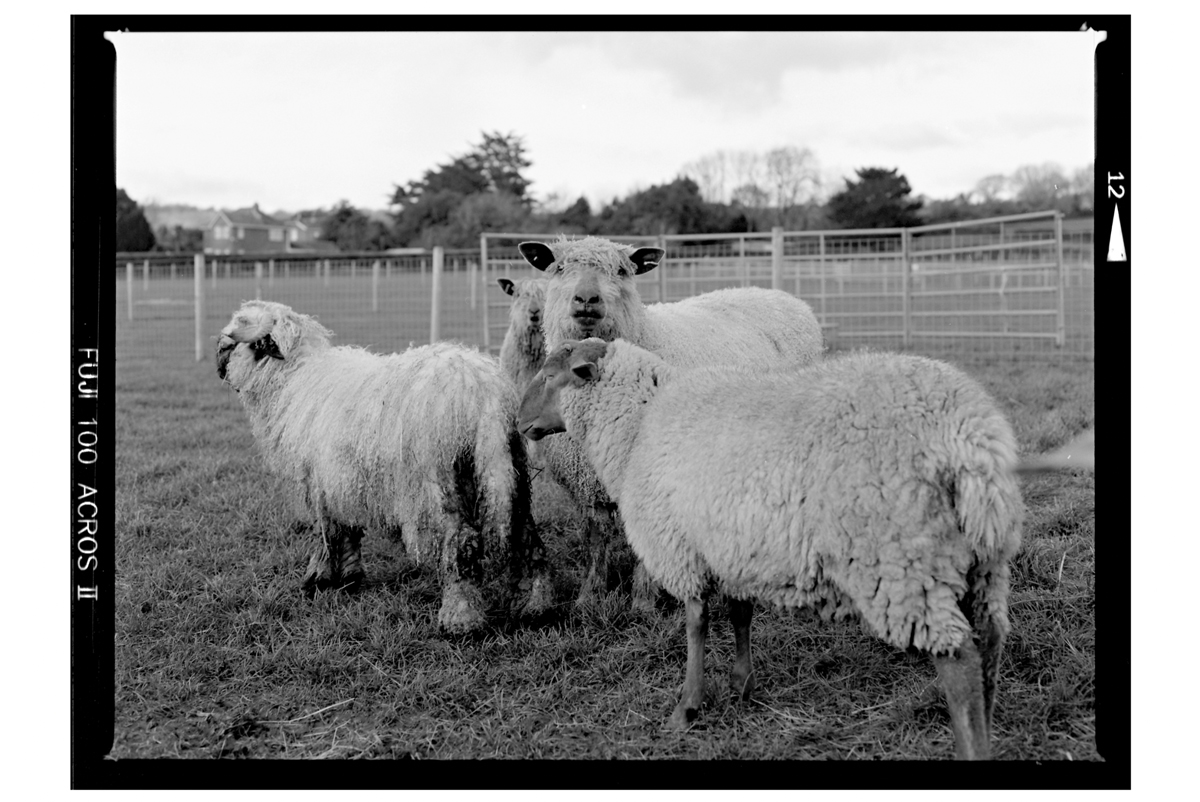
Some photos
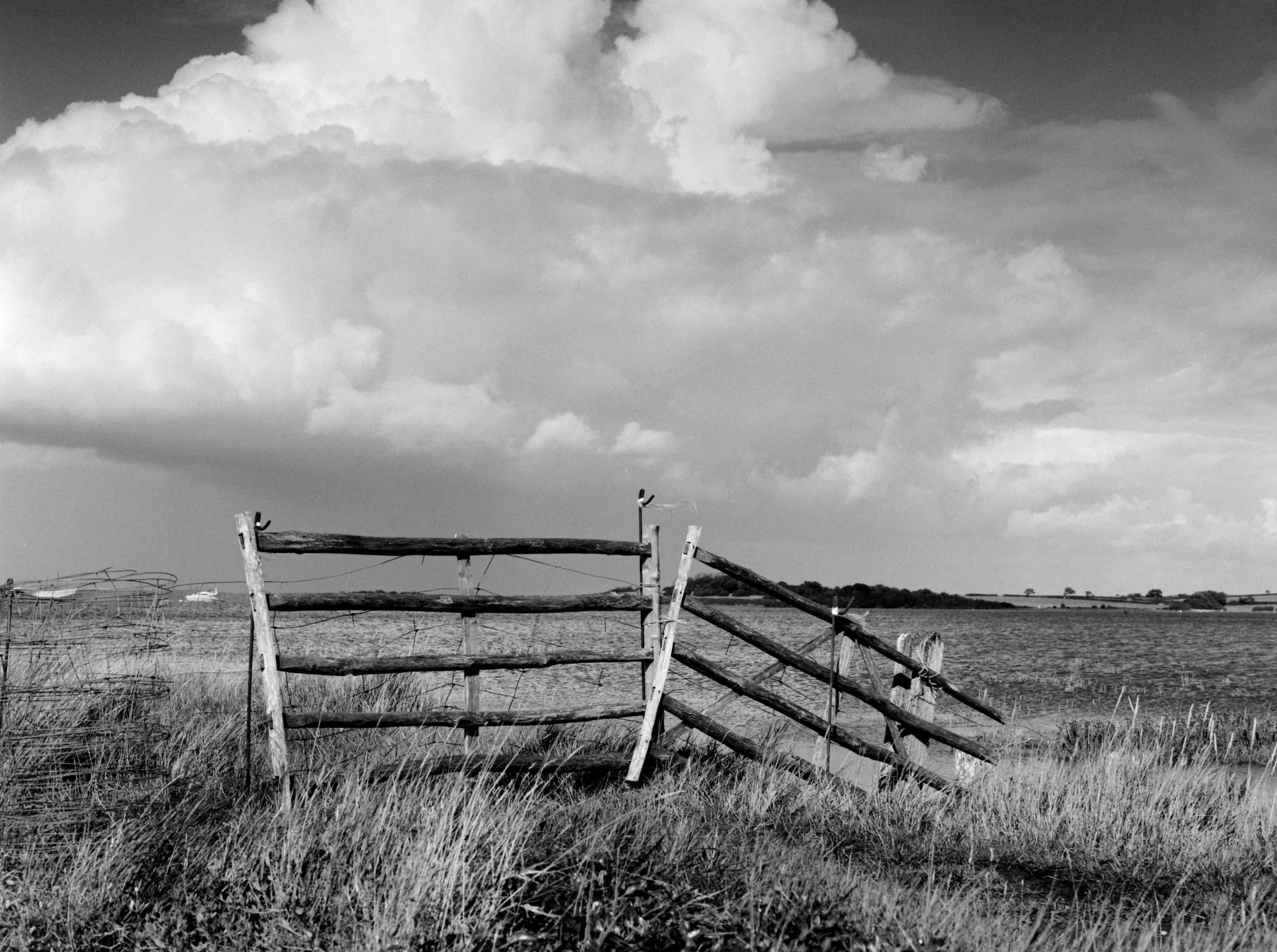
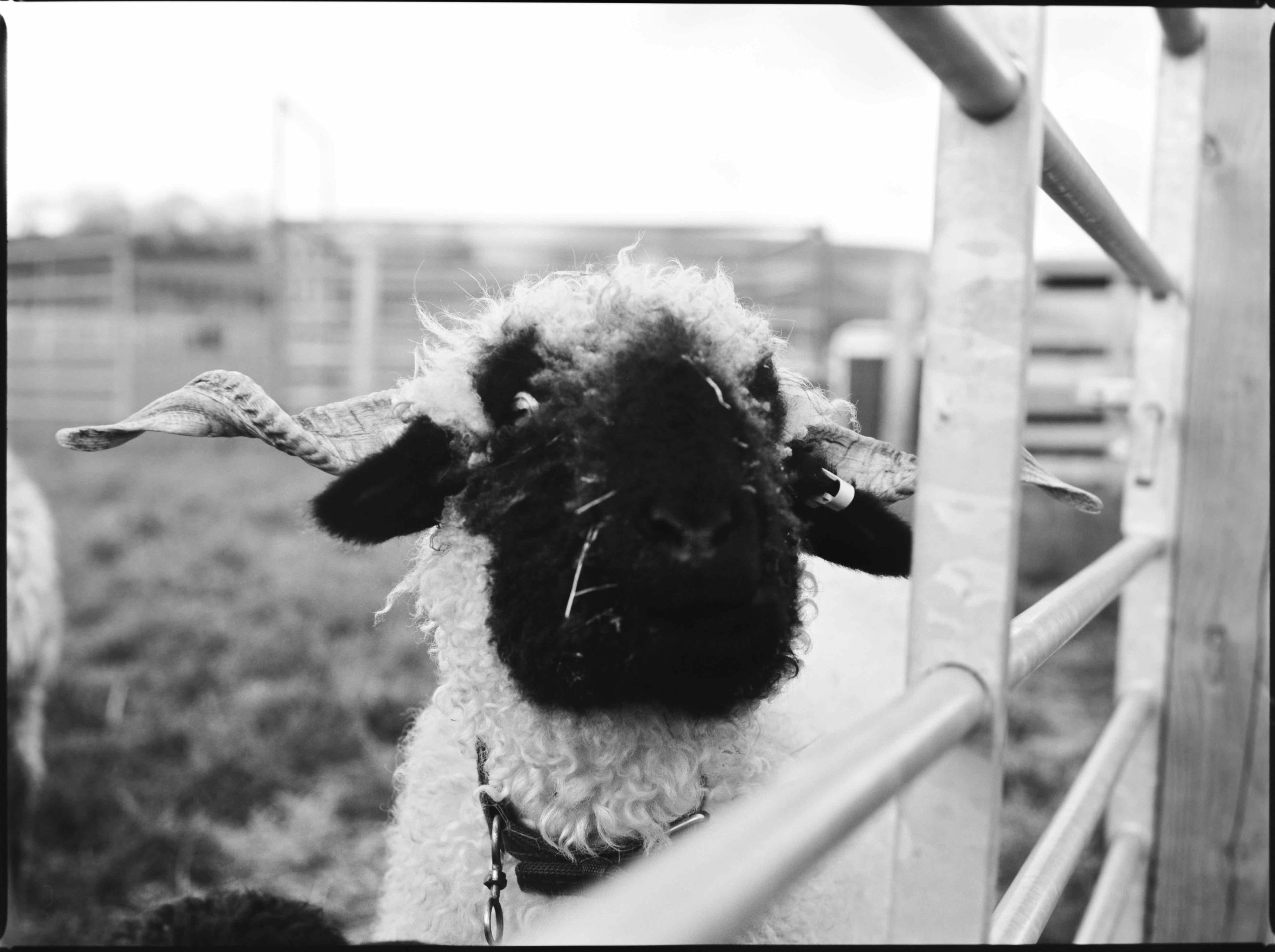
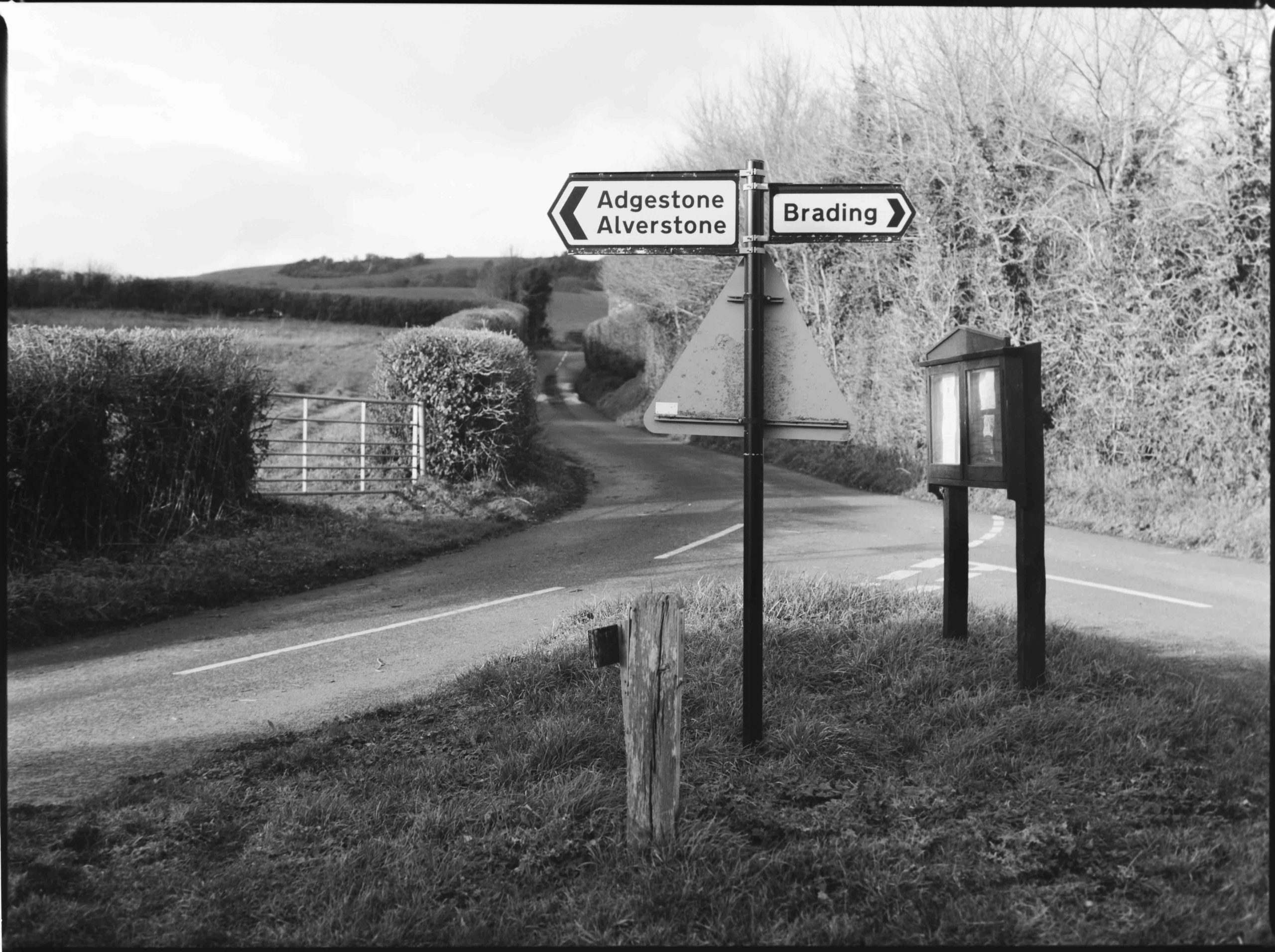
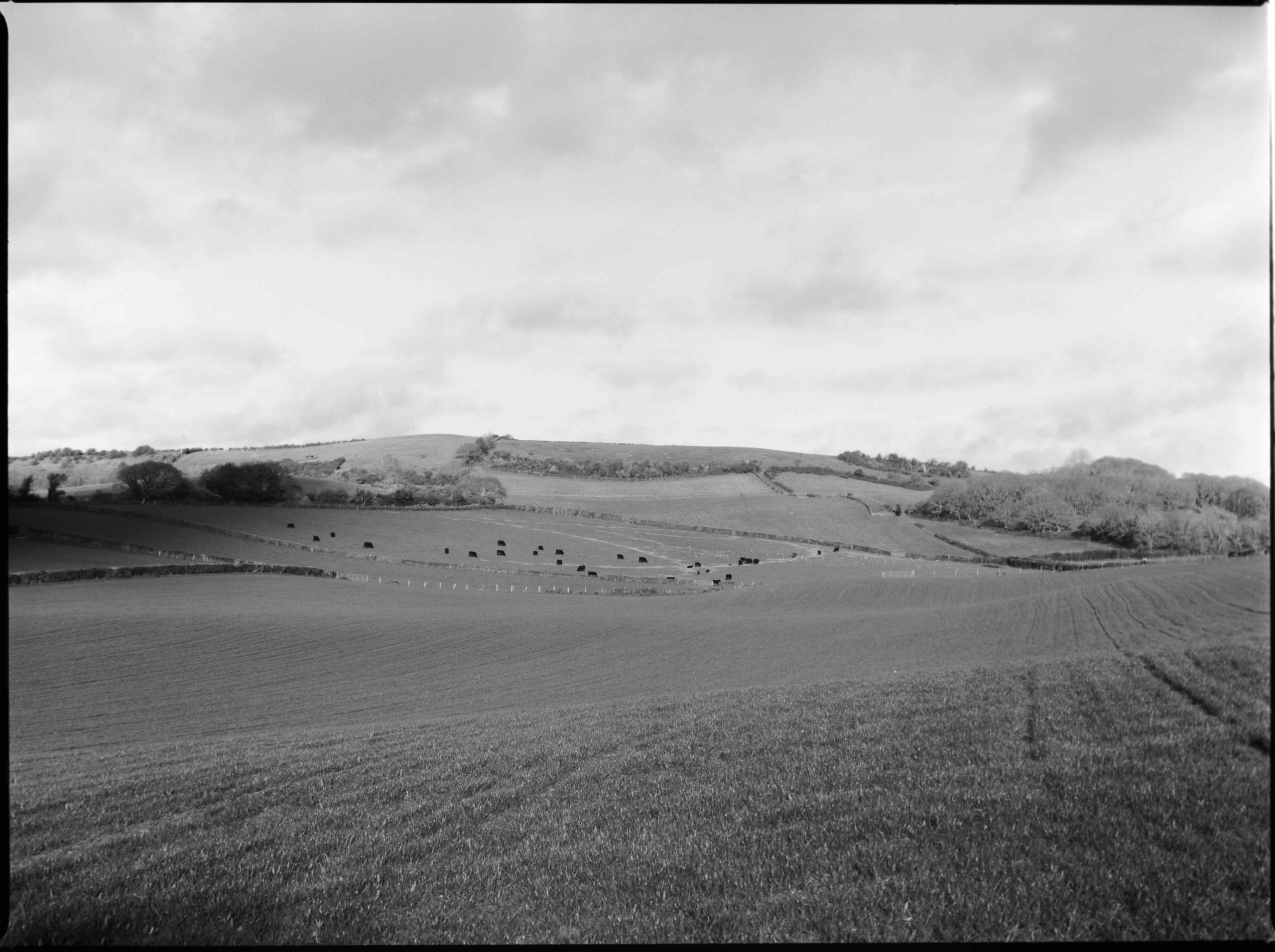
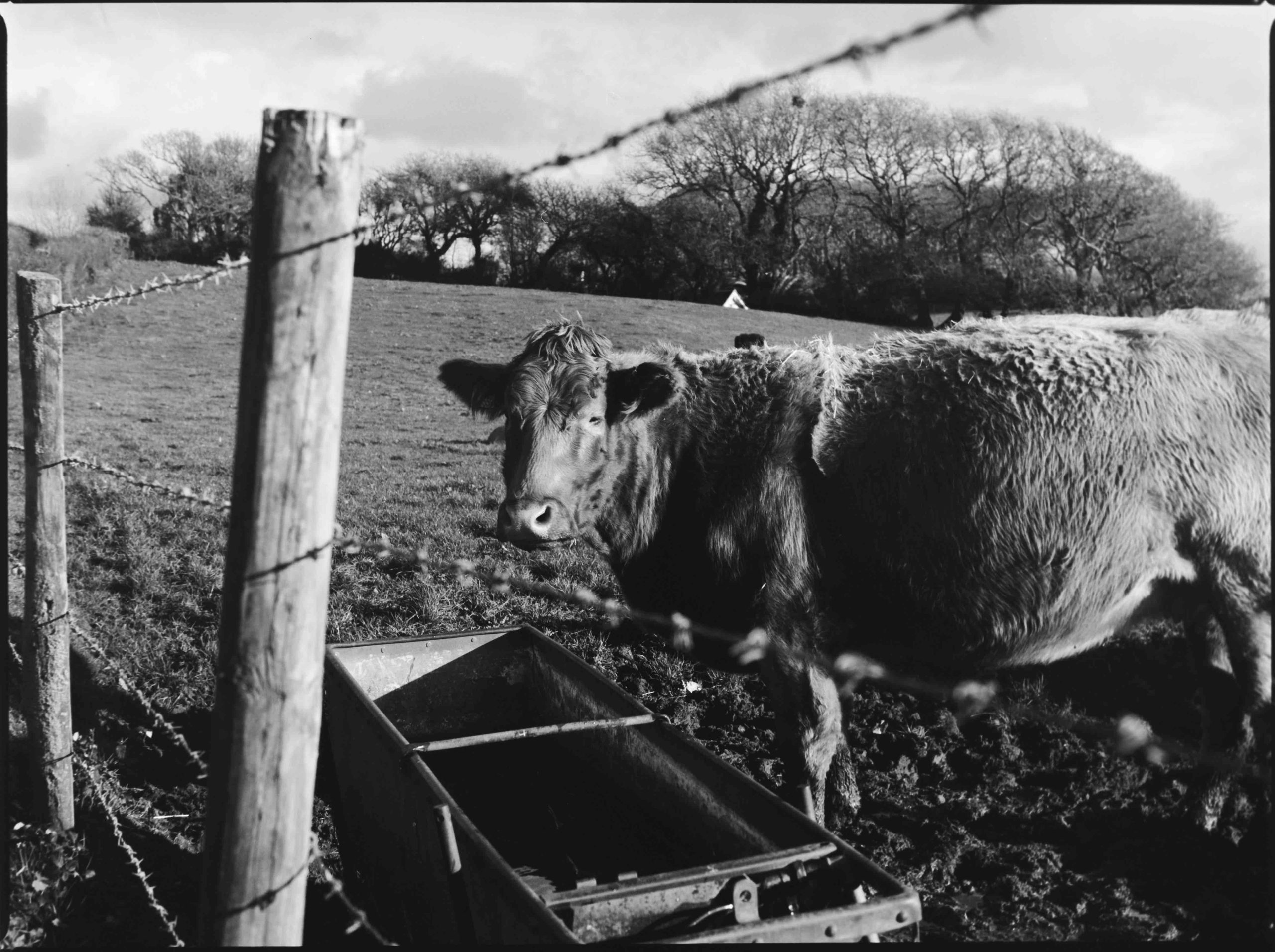
And finally here are some photos I have taken with the camera and in particular the Mamiya-Sekor 80mm f2.8 Lens.
You can see the full vlog on the SFLaB Channel –